Introduction: The Power of Nutrient Awareness in Water Treatment
Nutrients like Total Nitrogen (TN) and Total Phosphorus (TP) are critical levers in water quality management. Excess nutrients can trigger algal blooms, oxygen depletion, and regulatory challenges, while accurate, timely data enables operators to fine-tune processes, reduce chemical use, and stay within permit limits. The key is accurate, continuous visibility into nutrient levels across the treatment train. By investing in robust online nutrient monitoring, facilities gain a proactive edge over variability in inflows, weather, and seasonal shifts.
Why Continuous Online Monitoring Matters for TN and TP
Grab samples and periodic lab analyses provide valuable snapshots, but nutrient dynamics are fast-changing. Real-time monitoring of TN and TP delivers several advantages:
- Immediate detection of upsets or spikes in nutrient loading
- Data-driven control of biological nutrient removal and chemical dosing
- Improved consistency in meeting discharge specifications
- Enhanced ability to track treatment performance over time
- Smoother regulatory reporting with verifiable, time-stamped data
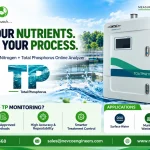
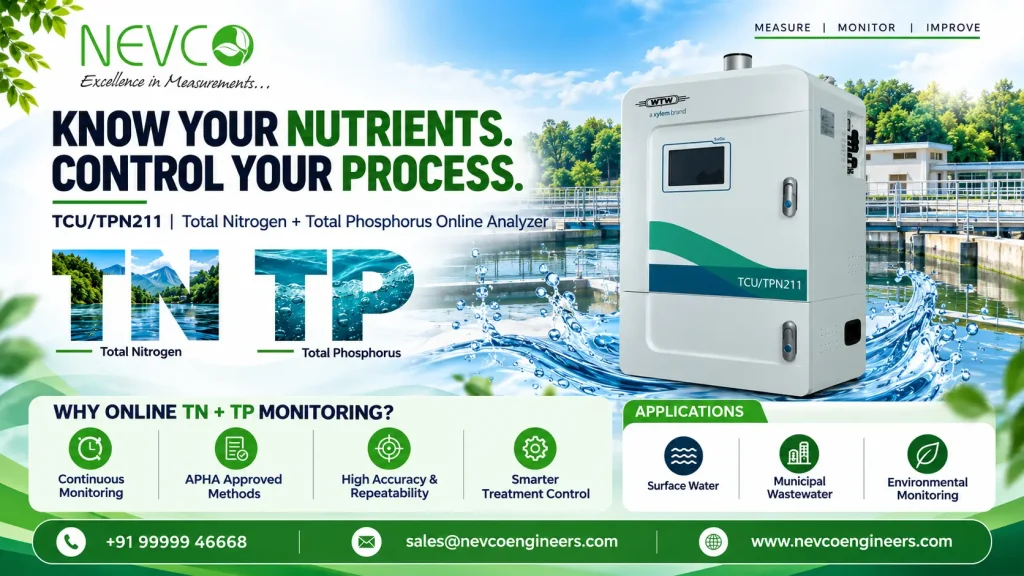
Introducing the WTW TCU/TPN211 Automatic Online Analyzer
The WTW TCU/TPN211 is designed to deliver reliable, continuous measurements of TN and TP with a focus on accuracy, repeatability, and low maintenance. Built for demanding water and wastewater applications, this analyzer integrates into modern control environments to empower smarter decisions at the point of treatment.
- Continuous online monitoring of TN and TP
- APHA-approved methods for validated results
- High accuracy and repeatability for trustworthy trends
- Lower maintenance requirements to maximize uptime
- Supports optimized treatment performance and energy efficiency
- Facilitates improved regulatory compliance and reporting
How It Works: A Conceptual Look at TN and TP Measurement
TN and TP measurements in an online analyzer generally rely on established APHA methods adapted for automation. In brief:
- TN measurement: samples are digested (to convert all nitrogen forms to nitrate) and then quantified, providing a comprehensive view of nitrogen content in the water.
- TP measurement: phosphorus is typically quantified after digestion and colorimetric detection, yielding total phosphorus regardless of its chemical form.
- The system continuously sampling, digestion, reaction, and detection yields a stream of TN and TP data that feeds your SCADA or data historian in real time.
APHA-approved methods ensure that results are consistent with regulatory expectations while enabling comparability across facilities and time.
Practical Benefits by Sector
Whether you operate a municipal plant, an industrial facility, or monitor surface water, continuous nutrient analytics can transform your operations:
- Municipal wastewater: Optimize biological nutrient removal processes, tailor aeration and sludge handling, and refine chemical dosing to minimize residuals and energy use.
- Industrial effluent: Precisely control nutrient discharges to stay within permit limits and reduce penalties, while supporting sustainability goals.
- Surface water monitoring: Track watershed health, identify nutrient runoff patterns, and inform source-water protection strategies.
Implementation Blueprint: From Planning to Action
Putting online TN/TP monitoring to work involves thoughtful design and integration. Consider the following steps to maximize value:
- Define goals and KPIs: Target nutrient removal efficiency, discharge limits, and data-quality objectives.
- Assess data architecture: Plan for SCADA integration, historian tagging, dashboards, and automated reporting.
- Calibration and QA/QC: Establish a routine that ties online results to lab verifications to maintain accuracy and traceability.
- Alarm and decision rules: Configure thresholds, trend alerts, and automated control actions to respond quickly to deviations.
- Operator training: Equip staff with the knowledge to interpret TN/TP trends and translate them into operational adjustments.
- Maintenance planning: Schedule digestion/reagent replacement, sensor cleaning, and part replacements to minimize downtime.
Best Practices for Long-Term Success
To extract maximum value from online TN/TP analytics, apply these industry best practices:
- Maintain traceability by aligning online analyses with APHA methods through periodic lab cross-checks.
- Use redundant sampling paths or duplicate sensors at critical points to improve reliability.
- Implement data governance: consistent naming, time synchronization, and secure archival to support audits.
- Regularly review instrument drift and recalibrate according to manufacturer guidance and regulatory requirements.
- Translate data into actionable operations: adjust aeration, chemical dosing, and sludge management based on real-time TN/TP cues.
Real-World Impact: How Facilities Benefit
Facilities that adopt continuous TN/TP monitoring typically observe faster response times to loading changes, clearer process control, and more predictable compliance. Operators can close the loop between influent variability, treatment performance, and effluent quality, leading to more stable permit compliance and optimized resource use.
About NEVCO Engineers
NEVCO Engineers provides advanced monitoring solutions designed to help you Measure. Monitor. Improve. With a focus on reliable data and practical integration, NEVCO supports ecosystems of online analyzers like the WTW TCU/TPN211 to deliver tangible improvements in treatment performance and regulatory readiness.
Take Action: Learn More About the WTW TCU/TPN211
If you’re ready to elevate your nutrient management program, contact NEVCO Engineers to explore how the WTW TCU/TPN211 can fit your plant layout, data architecture, and regulatory needs. Get in touch to discuss setup, calibration, and ongoing support.