
Air Quality Monitoring Systems in Bangalore (Bengaluru)
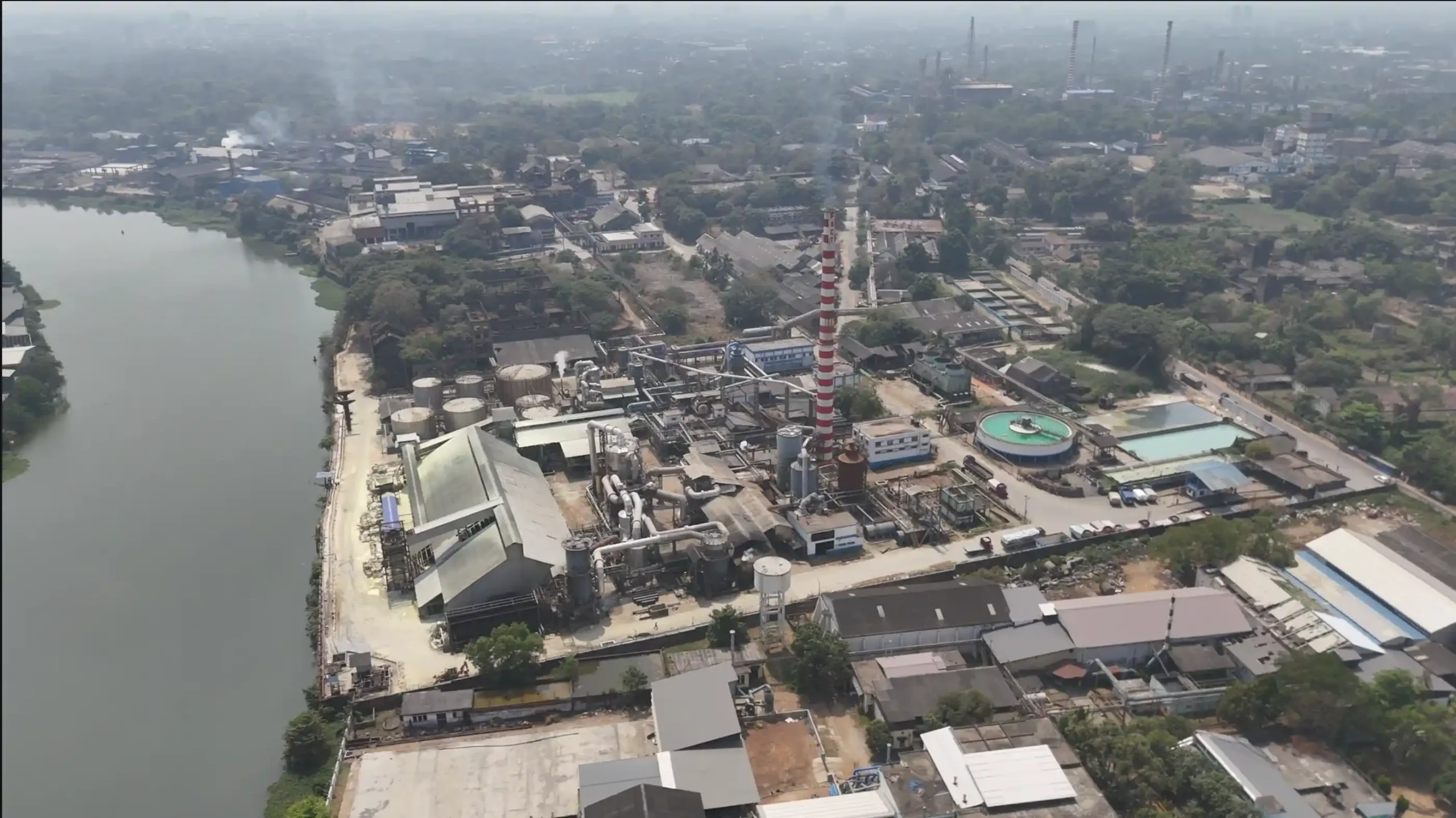
Bengaluru does not have a refinery skyline, but its air still carries a heavy industrial load. Foundries in Peenya, pharma plants in Jigani, auto lines in Bidadi, and thousands of diesel generator sets all add to a city already crowded with traffic. An air quality monitoring system in Bangalore measures that load continuously at a plant or campus boundary. It then shares the readings with the Karnataka State Pollution Control Board (KSPCB) and CPCB.
Nevco Engineers, in the business since 1982, delivers the AR 500 (OPSIS) CAAQMS with 300+ installations nationwide, plus siting, commissioning, KSPCB connectivity, and annual maintenance.
In short: A Bengaluru CAAQMS should track NO₂, O₃, CO, and particulates as closely as SO₂, follow your KSPCB consent, and send live data to KSPCB and CPCB servers. Nevco supplies and supports the complete station.
Talk to Nevco: +91-9999946668 | sales@nevcoengineers.com | Request a Quote
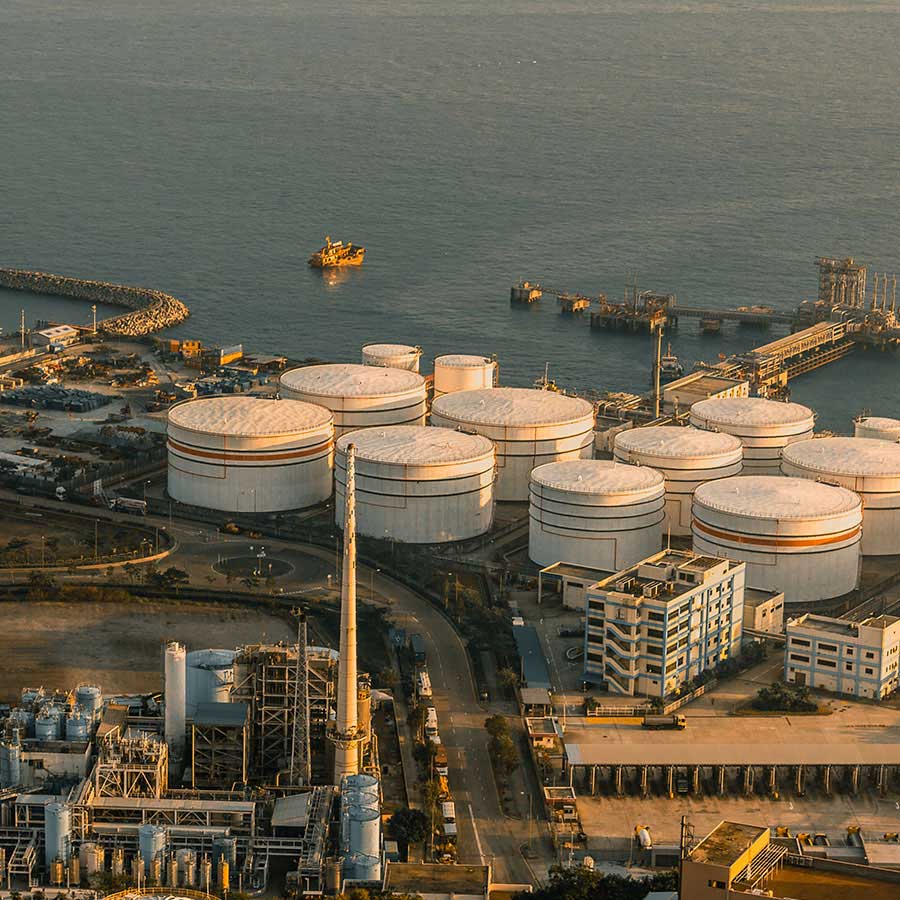
KSPCB Requirements for Bengaluru Industry
KSPCB controls air emissions through two approvals under the Air Act: Consent for Establishment (CFE) before construction and Consent for Operation (CFO) once the plant runs. Red category units and large projects frequently find continuous ambient monitoring listed among their CFO conditions.
Large townships, industrial parks and manufacturing campuses may also see ambient monitoring in their Environmental Clearance orders. Any unit in CPCB’s 17 highly polluting categories needs real-time connectivity to the central and state servers as well.
There is a citywide angle too. Bengaluru is covered under the National Clean Air Programme (NCAP), which pushes city authorities and regulators to cut particulate levels. That puts closer attention on every significant source, industrial ones included.
Ambient Air Quality Monitoring Station in Bangalore: Priorities by Industrial Belt
Ambient Air Quality Monitoring Station in Bangalore: Priorities by Industrial Belt
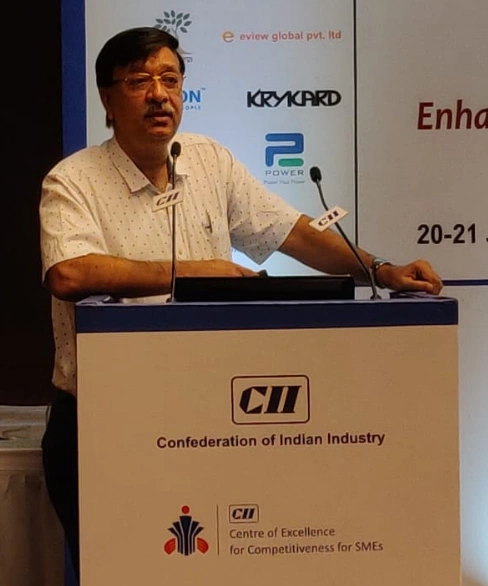
Mr. Adarsh Kapur
MD & Founder — M.S. Instrumentation, BITS Pilani (Gold Medallist)
Choosing a CAAQMS supplier is a decision your plant will live with for years. Here is what stands behind a Nevco station:
Choosing a CAAQMS supplier is a decision your plant will live with for years. Here is what stands behind a Nevco station:
01
Peenya Industrial Area
This is one of the largest industrial estates in the country. It has engineering workshops, machine tool makers, foundries, electroplating units, and garment factories. Foundries and furnaces make PM10, PM2.5, SO₂, and CO the main concerns, and plating lines can add HCl.
02
Bommasandra
This KIADB area on Hosur Road hosts electronics, auto components, pharma, and biotech units. Boundary stations here usually focus on NO₂, CO, VOCs, and particulates.
03
Jigani
Pharma, chemical, and stone processing units share this estate south of the city. NH₃, HCl, VOCs and PM are typical parameters.
04
Bidadi
Automobile manufacturing and allied suppliers line the Mysuru Road corridor. Paint shops and heavy logistics raise VOCs such as benzene, along with NO₂, CO and O₃.
05
Doddaballapur
North of the airport, this belt mixes an apparel park, aerospace and hardware units, and food processing. Boiler fuel and traffic make SO₂, NO₂ and particulates the key parameters.
Ozone, Traffic and DG Sets: Bengaluru's Distinct Air Profile
In many industrial cities, SO₂ is the headline gas. Bengaluru is different. Its biggest everyday sources are vehicles, diesel generator sets and construction. All of them release nitrogen oxides, carbon monoxide, and fine dust.
Bright sunshine for most of the year adds a twist. NO₂ and VOCs react in sunlight to form ground-level ozone (O₃), a secondary pollutant that peaks in the afternoon and can sit well downwind of its sources.
This changes what a station needs to do well:
- Measure NO₂ and O₃ together, since one turns into the other through the day
- Track CO from generator sets during power cuts and peak loads
- Record PM2.5 separately from PM10, because combustion produces fine particles
The AR 500 measures NO₂, O₃, CO, SO₂ and benzene in a single analyser. For fine and coarse dust, the station adds an SM 200 (OPSIS) unit. Its Beta Attenuation measurement makes it a dependable choice for ambient dust monitoring, with more than 600 units working in India.
Pairing NO₂ with ozone is now standard in the air quality monitoring system in Bangalore projects we take on, a lesson drawn from Nevco’s 44 years of work in Indian environmental monitoring.
Five Reasons Bengaluru Teams Choose Nevco
A long, verifiable record
Nevco started as Combustion Analysers in 1982 and is led by Adarsh Kapur, a BITS Pilani gold medallist in Instrumentation Engineering. Our installed base in India includes 300+ CAAQMS stations, 600+ SM 200 dust monitors, 10,000+ flue gas analysers and 1,000+ water monitoring stations.
Data you can stand behind
Bengaluru campuses often feed station data into ESG reports and leadership dashboards. Nevco is certified to ISO/IEC 27001:2013 for information security as well as ISO 9001:2015 for quality management, so data handling is held to a recognised standard.
Equipment from proven global makers
We work with OPSIS, Sintrol, WTW, Xylem, KANE, COMARK, Nova, LSI, SKI and TriOS. Our engineers also train at the calibration facilities of these principals.
One supplier for every monitoring need
Beyond CAAQMS, Nevco supplies CEMS, stack dust monitors, effluent and water quality systems, flow meters, noise monitoring and indoor air quality monitors. Multi-site groups can keep all of it under one AMC.
Recognised by industry
Nevco holds a Best MSME Award and won the Energy Efficient Technology Provider category at the CII National Energy Efficiency Circle Competition.
Our Global Partners








Nevco’s clients include Reliance, Tata Power, Indian Oil, HP, ONGC, GAIL, NTPC, BHEL, Adani, Essar, Hindalco, Vedanta, Jindal, NALCO, SAIL, IFFCO, UltraTech, ACC, Aditya Birla Group, Aarti Industries, Hikal, SRF, Dr. Reddy’s, Hindustan Unilever, Saint-Gobain, Maruti, Toyota, Honda, MRF, Goodyear and Wipro.
Pollution control authorities rely on Nevco too: CPCB, DPCC, TNPCB, PPCB, the MP Pollution Control Board and the Goa State Pollution Control Board are among our clients as well.
Companies and Institutions That Work With Nevco
Several companies with major operations in and around Bengaluru are among our clients, including Toyota, Wipro, Titan Company, BHEL, TVS, Ashok Leyland, Whirlpool and Hindustan Unilever.
Our wider client base covers NTPC, Tata Power, Indian Oil, Reliance, ONGC, GAIL, Hindalco, Vedanta, Jindal, SAIL, UltraTech, ACC, Dr. Reddy’s, Aarti Industries, SRF, Maruti, Honda, MRF and Goodyear. Academic campuses such as BITS Pilani and regulators including CPCB, DPCC and TNPCB also rely on Nevco systems.
CAAQMS for Campuses, Parks and Sustainability Teams
A growing share of Bengaluru’s demand comes from large campuses rather than single factories. Pharma and biotech parks, manufacturing campuses and integrated townships want to know the air quality their employees and neighbours breathe.
Many of these campuses also sit next to busy arterial roads or active construction zones. Without their own data, they cannot tell how much of the dust and NO₂ at their gate comes from outside.
For these sites, a CAAQMS does two jobs. It meets any consent or EC condition. It also gives sustainability teams verified, continuous data for internal dashboards and ESG disclosures, in place of a few manual readings a year.
Where Our Systems Have Proved Themselves
These monitoring projects show what a Bengaluru buyer can expect:
| Project | Why It Matters for Bengaluru |
|---|---|
| Ambient air quality system for CPCB, Delhi | The central regulator itself runs a Nevco-supplied system |
| 3 DOAS ambient stations at Emami Paper Mills, Balasore, running since January 2013 | Proof that open-path DOAS keeps working for over a decade |
| All-weather station for NTPC measuring rain, solar radiation, wind and temperature | The same weather data that helps explain ozone and NO₂ peaks |
| SO₂, NOx and PM emission monitoring for SRF | Experience with industrial units that need both ambient and stack monitoring |
The AR 500 (OPSIS) at a Glance
| Feature | What It Means for Your Site |
|---|---|
| Open-path DOAS measurement | Reads gases along a light path, with no pumps or sample filters |
| 95% data capture | Fewer gaps in the record KSPCB sees |
| 2% per year certified span drift | Only one calibration needed annually |
| Up to 25-year life | Long service with upgrade support |
| Low power consumption | Lower running cost, helpful on DG backup |
| Automatic report generation | Daily and monthly reports without manual work |
| EPA-approved technology | Recognised measurement method |
The AR 500 is the core of Nevco’s continuous ambient air quality monitoring system. Each station also includes weather sensors, an air-conditioned shelter, and the NEVCO NV-LX logger. The logger is built to the CPCB communication protocol and provides IoT connectivity to CPCB and KSPCB servers over Ethernet or 4G.
How Nevco Meets the Bangalore Buyer's Checklist
A capable AQMS supplier in Bangalore should pass these tests. Here is where Nevco stands on each:
- Starts with your CFO, not a price list. Every proposal begins with a review of your KSPCB conditions and site.
- Handles NO₂ and ozone together. One AR 500 analyser measures both, along with CO, SO₂, and benzene.
- Keeps running costs low. One calibration a year and no moving parts in the gas analyser.
- Proves KSPCB connectivity. Our engineers carry out CPCB and SPCB server integration in-house.
- Reaches your site after go-live. Service centres in major cities and an AMC cover calibration and breakdowns in Peenya, Jigani, Doddaballapur, and beyond.
Frequently Asked Questions.
Have questions about our systems, compliance requirements, or service offerings? We’ve answered the most common ones here.
What is the air quality index in Bangalore right now?
The current AQI for Bengaluru is published every hour on the Sameer app and on CPCB’s AQI bulletin portal, fed by government monitoring stations across the city. These show neighbourhood-level air. A factory or campus needs its own CAAQMS to measure conditions at its boundary.
What is the full form of CAAQMS?
CAAQMS stands for Continuous Ambient Air Quality Monitoring System. It is a station that measures outdoor air pollutants around the clock and reports them in real time to regulators such as KSPCB and CPCB.
What is the cost of a CAAQMS in Bangalore?
Cost varies with the parameter list in your KSPCB consent, the analyser technology, PM2.5 and PM10 monitoring, shelter, connectivity and AMC. Campus projects with multiple stations are priced differently from single-plant setups. Share your requirements for a quote.
Which is the best air quality monitoring system for industries?
The best system covers every parameter in your consent, keeps data capture high, and needs little maintenance. Nevco’s AR 500 (OPSIS) offers 95% data capture, EPA-approved DOAS technology, and only one calibration a year, backed by 300+ installations in India.
Which companies use Nevco monitoring systems?
Nevco’s clients include Toyota, Wipro, Titan Company, BHEL, NTPC, Tata Power, Indian Oil, Reliance, Hindalco and UltraTech, along with regulators such as CPCB, DPCC and TNPCB.
Is Bengaluru covered under the National Clean Air Programme?
Yes. Bengaluru is one of the cities covered under NCAP, which focuses on reducing particulate pollution and strengthening monitoring.
Why should a Bangalore station measure ozone?
Sunlight turns NO₂ and VOCs from traffic, generators, and industry into ground-level ozone. Measuring O₃ alongside NO₂ gives a true picture of afternoon air quality.
Does a foundry in Peenya need a CAAQMS?
It depends on its size, category, and CFO conditions. Larger foundries are more likely to have continuous ambient monitoring required by KSPCB.
Can a CAAQMS support ESG reporting for a campus?
Yes. Continuous, verified air quality data can feed internal dashboards and sustainability disclosures alongside regulatory reporting.
Do you install stations in Bidadi and Doddaballapur?
Yes. We take up CAAQMS projects in Bidadi, Doddaballapur, Peenya, Bommasandra, Jigani, and other industrial areas around Bengaluru, with AMC support after commissioning.