
Air Quality Monitoring Systems in Kolkata
Kolkata’s industry grew up along the Hooghly more than a century ago, and much of it still sits shoulder to shoulder with homes, markets and schools. Further out, Haldia and the Durgapur-Asansol belt carry some of eastern India’s heaviest industrial loads. An air quality monitoring system in Kolkata helps any of these plants measure the air at its boundary without a break. Every reading is logged and sent live to the West Bengal Pollution Control Board (WBPCB) and CPCB.
Nevco Engineers works with industries across West Bengal on the AR 500 (OPSIS) CAAQMS, an open-path station with over 300 installations nationwide. We have been in environmental monitoring since 1982.
In short: A Kolkata region CAAQMS has to satisfy WBPCB consent conditions, hold up through humid summers and smoggy winters, and give clear evidence in areas where many old and new sources share the same air. Nevco supplies new stations and upgrades ageing ones, with AMC support after go-live.
Speak to our team: +91-9999946668 | sales@nevcoengineers.com | Request a Quote
WBPCB Norms and the CEPI Factor
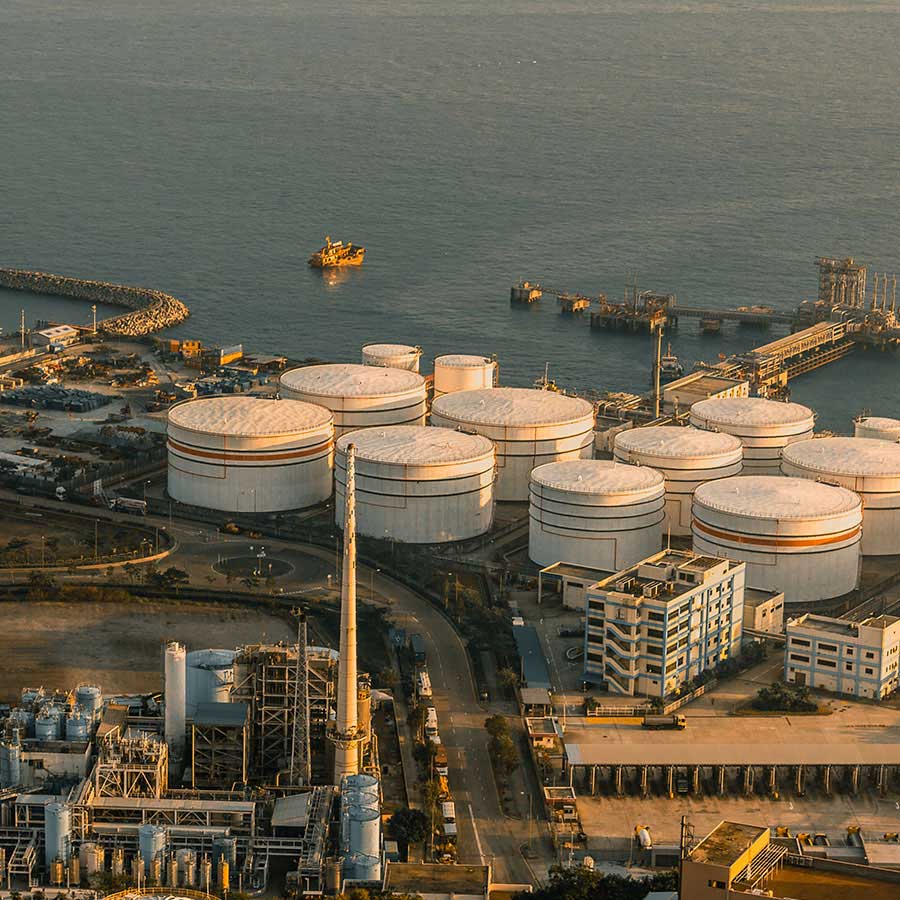
Under the Air Act, every industry in the state needs two WBPCB approvals: Consent to Establish before building and Consent to Operate before running. Red category units such as refineries, steel plants, power stations, petrochemicals and sponge iron plants commonly find continuous ambient monitoring written into their operating consent. For the 17 CPCB categories of highly polluting industry, live data streaming to state and central servers is compulsory too.
West Bengal has one more layer of scrutiny. Haldia, Asansol and Durgapur have all appeared in CPCB’s Comprehensive Environmental Pollution Index (CEPI) assessments of critically polluted industrial clusters. Areas flagged under CEPI face tighter oversight of new projects and expansions, along with action plans to bring pollution down. For plants in these belts, reliable continuous data is part of showing that local air is improving.
Kolkata's Winter Smog Problem
Kolkata’s air changes sharply with the seasons. From November to February, cool nights, low wind and a shallow mixing layer hold pollution close to the ground. Particulate levels climb, and the city often records its worst AQI readings of the year during these months.
As an NCAP city, Kolkata has a clean air action plan aimed at cutting PM10 and PM2.5 under the National Clean Air Programme. Industrial sources around the city draw closer attention during winter as a result.
For a plant, this means two things:
- Winter readings will be higher, even with steady operations, because the air simply cannot disperse as well.
- Year-round records give context. A station that has logged a full monsoon and summer can show that a winter rise follows the city’s seasonal pattern, not a change in the plant.
Why Mumbai Industries Choose Nevco Engineers
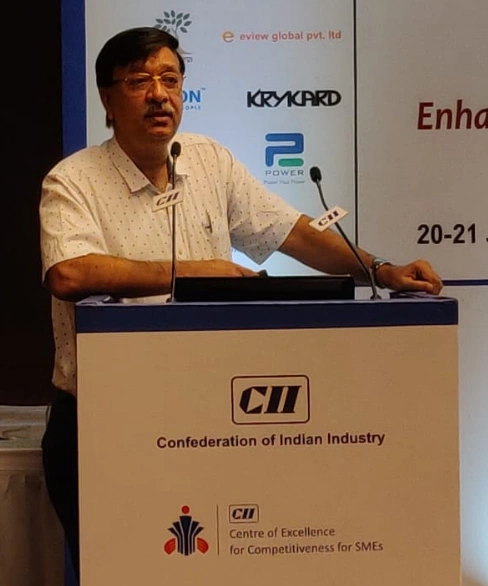
Mr. Adarsh Kapur
MD & Founder — M.S. Instrumentation, BITS Pilani (Gold Medallist)
01
Chembur-Trombay Refinery Belt
Refineries, a fertilizer complex, and power generation sit close to homes in Mahul and Chembur. Benzene, SO₂, NO₂, NH₃ and CO are the parameters that matter most. Some process units also need mercury (Hg) tracking.
02
MIDC Taloja
Chemical, pharma and dye intermediate units dominate Taloja, and odour complaints are common. A station here should cover HCl, Cl₂, NH₃, SO₂ and VOCs such as benzene.
03
TTC Industrial Area (Thane-Belapur)
Housing presses right up against this long industrial strip. Boundary monitoring of NO₂, SO₂, O₃ and particulates helps units prove they are staying within limits.
04
Tarapur MIDC
Bulk drugs, chemicals and textiles make Tarapur's emissions highly varied. Multi-gas coverage of SO₂, NH₃, HCl, HF and hydrocarbons gives plants room to match their consent as processes change.
Why Mumbai Industries Choose Nevco Engineers
Choosing a CAAQMS supplier is a decision your plant will live with for years. Here is what stands behind a Nevco station:
44 years in environmental instrumentation
Founded in 1982 as Combustion Analysers and led by Adarsh Kapur, a BITS Pilani gold medallist in Instrumentation Engineering.
Scale that proves reliability
300+ CAAQMS stations, 600+ SM 200 dust monitors, 10,000+ flue gas analysers and 1,000+ water monitoring stations installed across India.
Global technology partners
OPSIS, Sintrol, WTW, Xylem, KANE, COMARK, Nova, LSI, SKI and TriOS.
Certified quality
ISO 9001:2015 for quality management and ISO/IEC 27001:2013 for information security
Recognised work
Best MSME Award, and winner in the Energy Efficient Technology Provider category at the CII National Energy Efficiency Circle Competition
One partner for all compliance monitoring
CAAQMS, CEMS, stack dust, effluent and water quality, noise and flow, all from one team.
Real-time server integration done in-house
Our engineers connect stations to CPCB and SPCB servers, including MPCB.
Support after commissioning
Service centres in major cities for fast repair turnaround, plus a calibration centre and engineer training at our global principals.
One partner for all compliance monitoring
CAAQMS, CEMS, stack dust, effluent and water quality, noise and flow, all from one team.
Our Global Partners





Nevco’s clients include Reliance, Tata Power, Indian Oil, HP, ONGC, GAIL, NTPC, BHEL, Adani, Essar, Hindalco, Vedanta, Jindal, NALCO, SAIL, IFFCO, UltraTech, ACC, Aditya Birla Group, Aarti Industries, Hikal, SRF, Dr. Reddy’s, Hindustan Unilever, Saint-Gobain, Maruti, Toyota, Honda, MRF, Goodyear and Wipro.
Pollution control authorities rely on Nevco too: CPCB, DPCC, TNPCB, PPCB, the MP Pollution Control Board and the Goa State Pollution Control Board are among our clients as well.
Built for Mumbai's Coastal Climate
Salt-laden air, high humidity, and four months of heavy rain are hard on monitoring equipment. Pumps corrode, filters clog, and sample lines collect moisture. That is where most data gaps in coastal stations begin.
The AR 500 (OPSIS) avoids these weak points. It uses DOAS (Differential Optical Absorption Spectroscopy), sending a light beam across an open path and reading how each gas absorbs specific wavelengths. Nothing is drawn into the analyser, so there are no pumps, no sample filters, and no moving parts.
For Mumbai sites, that design brings:
- 95% data capture, even through the monsoon months
- Certified span drift of just 2% per year
- One calibration a year
- Up to 25 years of operating life
- EPA-approved technology
These strengths make the AR 500 a dependable continuous ambient air quality monitoring system for coastal industry. After 44 years in this field, our team works by one rule for coastal sites: an air quality monitoring system in Mumbai is only as good as its uptime in July.
What You Get: A Complete Ambient Air Quality Monitoring Station in Mumbai
Every air quality monitoring system in Mumbai we supply comes as one turnkey package, so you deal with a single team from survey to AMC.
Equipment
- AR 500 (OPSIS) gas analyser for SO₂, NO₂, O₃, benzene, CO, NH₃, HCl, Cl₂, HF, Hg and more
- SM 200 (OPSIS) dust monitor for ambient dust monitoring of PM10 and PM2.5, using the proven Beta Attenuation Method, with 600+ installations in India
- Weather sensors for wind speed, wind direction, temperature, humidity, and rainfall
- NEVCO NV-LX IoT data logger for CPCB connectivity, built to the CPCB communication protocol, with RS-485 Modbus, analog inputs, Ethernet and integrated 4G
- Air-conditioned shelter sealed for coastal humidity
Services
- Site survey and station siting as per CPCB siting norms
- Installation, commissioning and calibration
- Live data connection to MPCB and CPCB servers
- Training for your environment team
- AMC, calibration and breakdown support
Wind data deserves a mention here. In a crowded belt like Trombay, wind direction is often what shows whether a spike came from your stack or a neighbour’s.
Port, Bulk Handling and Construction Dust
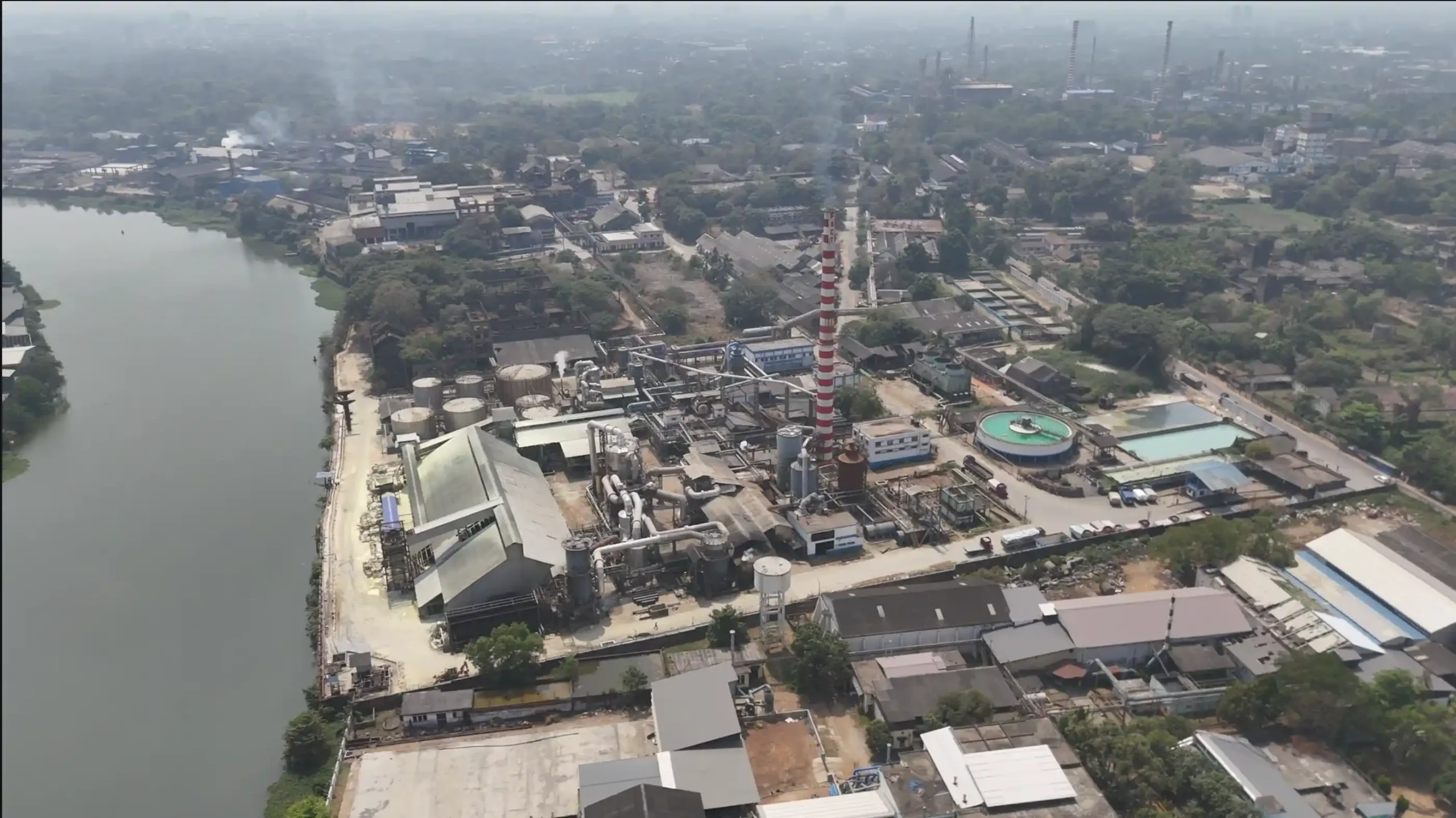
Gases are only half of Mumbai’s air story. The region handles large volumes of coal, fertilizer, cement and other bulk cargo through its ports and jetties. At the same time, metro lines, coastal roads and redevelopment projects keep thousands of construction sites active.
Both activities release coarse and fine particulates. For terminals, batching plants and large infrastructure contractors, PM10 and PM2.5 monitoring is often the main consent requirement, even when gas monitoring is not.
A station at such a site usually pairs the SM 200 with weather sensors. That combination shows whether dust levels rise with cargo movement, truck traffic, or wind speed, and tells site managers when to step up water spraying, cover stockpiles, or pause loading.
How Nevco Answers the Questions Buyers Ask
Before signing with any AQMS supplier in Mumbai, these are the questions to ask. Here is how we answer them:
| Buyer’s Question | Nevco’s Answer |
|---|---|
| Will the station cover every gas in my MPCB consent? | The AR 500 measures a wide range of gases from one analyser, and we configure it to your consent order. |
| How does it cope with humidity and monsoon? | Open-path DOAS has no pumps, filters or sample lines for moisture to damage. |
| What data capture can you show? | 95% data capture, with more than 300 CAAQMS stations in service across India. |
| How often does it need calibration? | One calibration every 12 months, with span drift certified at 2% a year. |
| Will data reach MPCB and CPCB automatically? | Yes. Our CPCB-protocol data logger sends readings to both servers, and we handle the integration. |
| Who supports the station after installation? | Our service team, backed by service centres in major cities and a calibration centre at our global principals. |
Get a Station Recommendation for Your Mumbai Plant
Planning a new CAAQMS in Mumbai, adding parameters or replacing an ageing station? Here is how to start:
- Share your MPCB consent order and plant location with our team.
- We review the parameters and site conditions and recommend a station configuration.
- You receive an itemised quote covering equipment, installation, server connectivity, and AMC.
- +91-9999946668
- sales@nevcoengineers.com
We are open from Monday to Saturday 10:00 AM - 06:00 PM
Frequently Asked Questions.
Have questions about our systems, compliance requirements, or service offerings? We’ve answered the most common ones here.
How can I check the air quality in Mumbai today?
You can see live AQI readings for Mumbai on CPCB’s national AQI dashboard and the Sameer app. Both pull data from government monitoring stations across the city. MPCB also publishes air quality data on its website. These stations show city-level air. A plant’s own CAAQMS shows conditions at its own boundary.
Why choose Nevco as your CAAQMS supplier in Mumbai?
Nevco brings 44 years of environmental instrumentation experience, more than 300 CAAQMS stations installed in India, OPSIS technology, ISO 9001:2015 certification, and in-house CPCB and MPCB server integration. Clients include Reliance, Tata Power, Indian Oil, NTPC, and CPCB.
How much does an air quality monitoring system cost in Mumbai?
Cost depends on how many parameters your MPCB consent lists, the analyser technology, the shelter, and the length of the AMC. Coastal sites also need sealed, corrosion-resistant enclosures. Share your consent order with us for an itemised quote.
What is the difference between CAAQMS and CEMS?
A CAAQMS measures pollution in the surrounding air at the plant boundary. A CEMS (Continuous Emission Monitoring System) measures gases and dust inside a stack or chimney. Many Mumbai refineries and power units need both, and Nevco supplies both.
How long does it take to install a CAAQMS in Mumbai?
The timeline depends mainly on site readiness. Civil work for the shelter platform, power supply, and internet connectivity usually takes the most time. Once these are ready, installation, calibration, and MPCB server linking move quickly.
Does MPCB require a CAAQMS for my plant?
That depends on your sector, size, and consent order. Large and red category units in the Mumbai region are often required to run continuous ambient monitoring and share data with MPCB and CPCB.
Which gases should a station in the Chembur-Trombay belt measure?
Benzene, SO₂, NO₂, NH₃ and CO are the usual priorities for refinery and fertilizer neighbourhoods, along with PM10 and PM2.5.
Do you provide AMC and calibration support in Mumbai?
Yes. Every NEVCO station can be covered by an AMC that includes calibration, preventive maintenance, and breakdown support, backed by our service centres in major cities.
How does station data reach MPCB?
The station’s NEVCO NV-LX data logger, built to the CPCB communication protocol, sends readings over Ethernet or 4G to the MPCB and CPCB servers. No manual uploads are needed.
Do you install CAAQMS in Taloja and Tarapur?
Yes. Our team installs and services stations in MIDC Taloja, the TTC belt, Tarapur MIDC, Chembur-Trombay, and other parts of the Mumbai Metropolitan Region.