
Air Quality Monitoring Systems in Angul
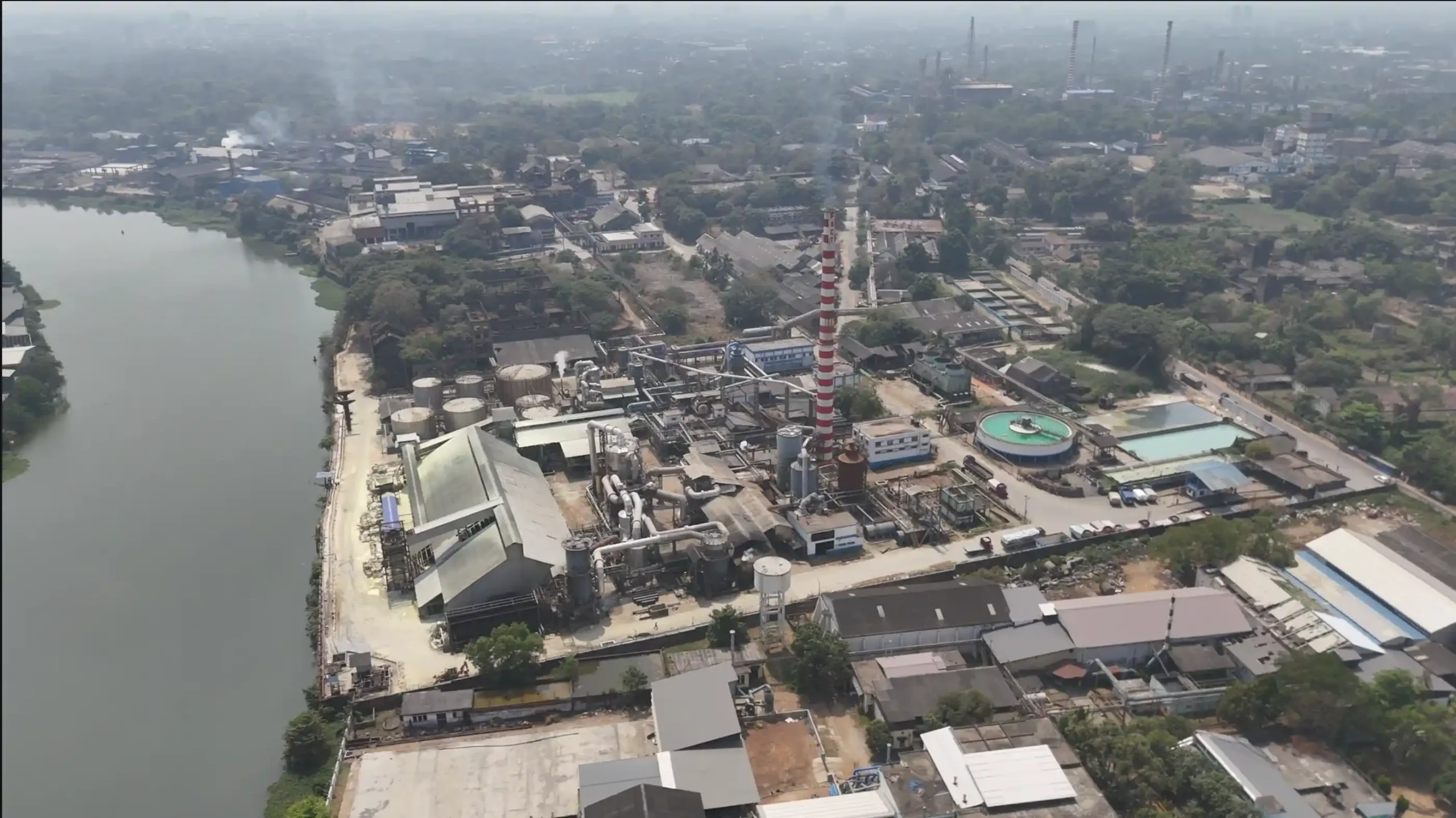
Few districts in India concentrate as much heavy industry in one valley as Angul. Open cast coal mines feed thermal power stations. Those stations power an aluminium smelter and a large steel complex, and fly ash, haul roads and conveyor lines tie it all together along the Brahmani. Every operator in this chain benefits from an air quality monitoring system in Angul that keeps a continuous, independent record of the air at its own boundary. The data is reported in real time to the State Pollution Control Board, Odisha (OSPCB) and CPCB.
Nevco Engineers offers the AR 500 (OPSIS) open-path CAAQMS, which has crossed 300 installations in India, with siting, commissioning and AMC for industrial sites in Odisha. We already work in Angul, at NALCO’s captive power plant.
In short: Angul plants need stations that handle unusual gases like fluoride and mercury, track heavy dust from coal and ash, and stand up to strict OSPCB oversight in a critically polluted belt. Nevco brings the analyser, the dust monitor, the data link and local project experience.
Contact our Odisha team: +91-9999946668 | sales@nevcoengineers.com | Request a Quote
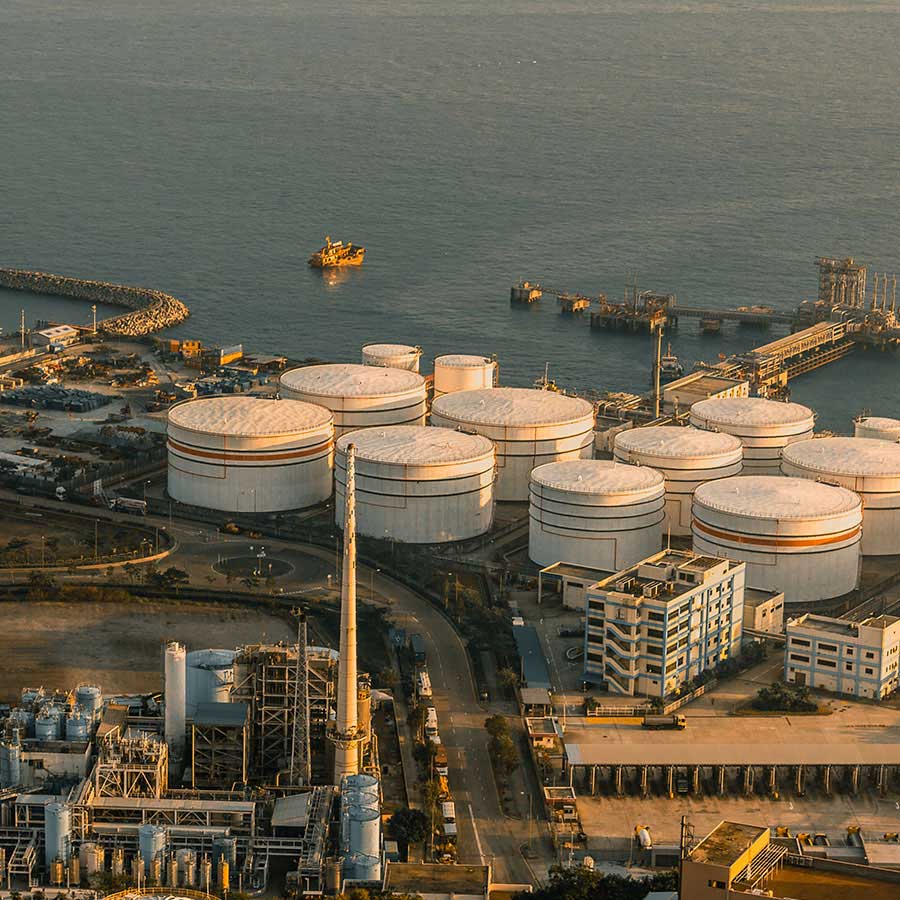
OSPCB Oversight in the Angul-Talcher Belt
OSPCB grants Consent to Establish and Consent to Operate to industries in Odisha under the Air Act. For coal mines, thermal power plants, aluminium smelters, steel plants and fertilizer units, continuous ambient monitoring is a routine operating condition. Environmental Clearances for these large projects usually call for several boundary stations rather than one.
The Angul-Talcher area has also been rated among the critically polluted industrial clusters in CPCB’s Comprehensive Environmental Pollution Index assessments. That brings closer review of expansions and a regional action plan to improve air quality. Units in the 17 highly polluting categories must keep their monitoring systems linked to OSPCB and CPCB servers at all times.
CAAQMS in Angul: The Three Industrial Zones
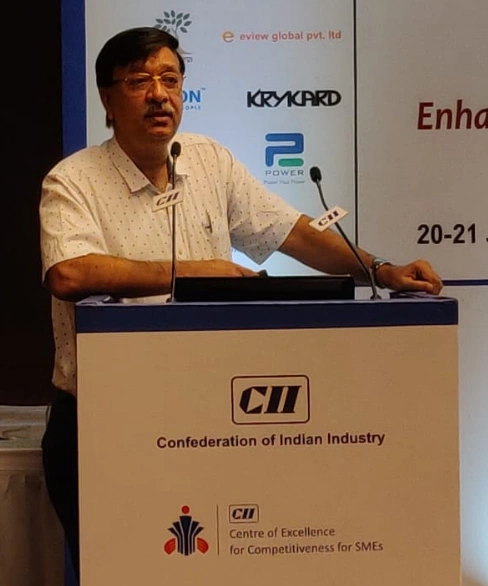
Mr. Adarsh Kapur
MD & Founder — M.S. Instrumentation, BITS Pilani (Gold Medallist)
01
Angul-Talcher Industrial Belt
Typical sources: integrated steel and sponge iron, coal gasification and fertilizer projects, thermal power, material handling yards Watch for: PM10, PM2.5, SO₂, NO₂, CO, NH₃ Siting tip: place stations between the plant and the nearest villages, checked against seasonal wind roses
02
Aluminium Smelter and Captive Power Zone
Typical sources: potline electrolysis, carbon anode baking, coal-fired captive generation, ash ponds Watch for: HF (fluoride), SO₂, NO₂, PM10, PM2.5, Hg Siting tip: cover the downwind side of the potlines and the ash pond area separately, since their emissions differ
03
Talcher Coalfields
Typical sources: open cast mining, blasting, coal crushing and loading, road and rail transport, mine overburden dumps Watch for: PM10, PM2.5, SO₂, NO₂, CO Siting tip: add stations along major coal haul routes as well as at mine lease boundaries
Already Working in Angul: NALCO's Captive Power Plant
Nevco is not new to this valley. Among our environmental monitoring projects is the boiler stack monitoring for NALCO’s captive power plant in Angul, a 1,200 MW station made up of ten 120 MW units.
That project gives our team first-hand knowledge of Angul’s conditions: heavy coal dust, ash handling, a smelter next door and close OSPCB attention.
Other Odisha work that supports Angul buyers:
- Tata Steel Long Products (formerly Tata Sponge Iron), Joda. Three System 400 online SO₂ analysers with a remote calibration facility, relevant to the sponge iron units of the Angul-Talcher belt.
- Emami Paper Mills, Balasore. Three open-path DOAS ambient stations measuring SO₂ and NO₂, in continuous service since January 2013.
Angul's Challenges and How Nevco Meets Them
| Angul Challenge | Nevco Solution | Proof |
|---|---|---|
| Fluoride near the smelter | AR 500 (OPSIS) measures HF along with SO₂, NO₂ and Hg | DOAS open-path analysis, EPA approved technology |
| Heavy coal and ash dust | SM 200 (OPSIS) Beta Attenuation dust monitor | 600+ installations in India |
| Stack emissions at power and steel units | CEMS and stack dust monitors from OPSIS and Sintrol | NALCO Angul and Tata Steel Joda projects |
| Several stations per EC | Survey-led siting and multi-station planning | 300+ CAAQMS stations installed |
| Strict OSPCB data scrutiny | In-house CPCB and SPCB server integration | 95% data capture on the AR 500 |
| Long-term upkeep | AMC with calibration and breakdown cover | Service centres in major cities |





Our Global Partners
Nevco’s clients include Reliance, Tata Power, Indian Oil, HP, ONGC, GAIL, NTPC, BHEL, Adani, Essar, Hindalco, Vedanta, Jindal, NALCO, SAIL, IFFCO, UltraTech, ACC, Aditya Birla Group, Aarti Industries, Hikal, SRF, Dr. Reddy’s, Hindustan Unilever, Saint-Gobain, Maruti, Toyota, Honda, MRF, Goodyear and Wipro.
Pollution control authorities rely on Nevco too: CPCB, DPCC, TNPCB, PPCB, the MP Pollution Control Board and the Goa State Pollution Control Board are among our clients as well.
The Company Behind the Station
Nevco Engineers was founded in 1982 as Combustion Analysers and has 44 years of experience in environmental instrumentation. It is led by Adarsh Kapur, a BITS Pilani gold medallist in Instrumentation Engineering. Beyond CAAQMS, the company has installed 10,000+ flue gas analysers and 1,000+ water monitoring stations. It is certified to ISO 9001:2015 and ISO/IEC 27001:2013 and holds a Best MSME Award. It also won the Energy Efficient Technology Provider category at the CII National Energy Efficiency Circle Competition. Technology partners include OPSIS, Sintrol, WTW, Xylem, KANE, COMARK, Nova, LSI, SKI and TriOS.
Clients Across Odisha's Core Industries
Several of Angul’s biggest operators are Nevco clients, including NALCO, Jindal and NTPC. Other clients with major Odisha operations include Vedanta, Hindalco, SAIL, Essar and Aditya Birla Group. The wider list covers Tata Power, Adani, BHEL, Indian Oil, Reliance, IFFCO, UltraTech and ACC, along with regulators such as CPCB, DPCC and PPCB.
Fluoride: The Pollutant Unique to the Smelter Zone
Most industrial towns never need to think about fluoride in the air. Angul does.
Aluminium smelting releases gaseous hydrogen fluoride (HF) and fluoride-bearing dust from the potlines. Even modest fluoride levels in air can settle on grass and crops, where grazing animals ingest it. That makes fluoride a concern for the farming villages around a smelter, not just for regulators.
Point analysers built for common pollutants usually cannot measure HF. The AR 500 (OPSIS) can. Its DOAS technology reads HF along an open light path, alongside SO₂, NO₂, mercury and other gases, from a single analyser. For a smelter and its captive power plant, one station can track both the potline signature and the coal-burning signature. That makes the AR 500 a well-matched continuous ambient air quality monitoring system for the smelter zone.
Coal, Ash and Haul Roads: Angul's Dust Picture
Dust is the most visible pollution in Angul, and it comes from many directions:
- Mining operations such as blasting, excavation and crushing throw up coarse dust inside the coalfield
- Coal transport by truck spreads dust along roads that pass through villages and towns
- Fly ash ponds at power stations can release fine ash when their surfaces dry out in summer
- Overburden dumps erode in dry wind and contribute coarse particles
Each source needs a different fix: road sweeping, ash pond wetting, covered trucks or green belts. A boundary station that logs PM10 and PM2.5 with wind data helps operators see which source is driving the readings, so money goes where it actually makes a difference.
The SM 200 (OPSIS) handles this ambient dust monitoring alongside the gas analyser, using the Beta Attenuation Method for PM10 and PM2.5.
An Ambient Air Quality Monitoring Station in Angul That OSPCB Can Trust
In a belt under this much scrutiny, having data is not enough. It has to be data that regulators accept.
The AR 500 supports that with:
- 95% data capture, so there are few gaps for anyone to question
- Certified span drift of 2% per year, with a single annual calibration
- No pumps, filters or moving parts that drift as they wear
- Automatic report generation, so records are produced consistently
The station’s NEVCO NV-LX logger is built to the CPCB communication protocol. It provides IoT connectivity for CPCB and OSPCB reporting over Ethernet or 4G.
When comparing any AQMS supplier in Angul, ask for data availability figures and reference sites in Odisha. Nevco can point to work in Angul itself, and every air quality monitoring system in Angul we deliver is built to hold up under inspection
Request a Station Proposal for Angul
An air quality monitoring system in Angul usually involves several stations, so we start with a plan:
- Share your OSPCB consent, EC conditions and site layout.
- We propose station numbers, locations and parameters, including HF or mercury where your process needs them.
- We price it line by line, covering equipment, installation, OSPCB connectivity and AMC.
- +91-9999946668
- sales@nevcoengineers.com
We are open from Monday to Saturday 10:00 AM - 06:00 PM
Frequently Asked Questions.
Have questions about our systems, compliance requirements, or service offerings? We’ve answered the most common ones here.
Why is Angul-Talcher considered a pollution hotspot?
The area combines coal mining, thermal power, aluminium smelting, steel and other heavy industry in one river valley. It has been listed among critically polluted clusters in CPCB’s CEPI assessments.
Does Angul have its own air quality monitoring stations?
Yes. OSPCB and CPCB run monitoring stations in the Angul-Talcher area, and their readings appear on CPCB’s Sameer app and AQI portal. Industries also operate their own boundary stations.
What is OSPCB?
OSPCB is the State Pollution Control Board, Odisha. It issues consents to industries, sets monitoring conditions, inspects units and receives online emission and ambient data.
Has Nevco worked in Angul before?
Yes. Nevco carried out boiler stack monitoring for NALCO’s 1,200 MW captive power plant in Angul. It has also completed projects at Tata Steel Long Products in Joda and Emami Paper Mills in Balasore, Odisha.
Why do aluminium smelters monitor fluoride?
Smelting releases hydrogen fluoride and fluoride dust. These can settle on vegetation and affect grazing animals and crops, so smelters track HF at their boundaries.
Can Nevco monitor hydrogen fluoride (HF)?
Yes. The AR 500 (OPSIS) measures HF along an open light path, together with SO₂, NO₂, mercury and other gases, from a single analyser.
How does coal mining affect air quality in Talcher?
Open cast mining, blasting, crushing and coal transport release large amounts of dust. Coal burning in nearby power plants adds SO₂, NO₂ and fine particles.
Can fly ash ponds cause air pollution?
Yes. When the surface of an ash pond dries, wind can lift fine ash into the air. Keeping ponds wet and monitoring PM near them helps control this.
What decides the price of a CAAQMS in Angul?
The number and type of gases, special needs like HF or mercury, dust monitoring, how many stations the EC requires, shelter and AMC. Share your consent and EC conditions for an exact estimate.
Do you provide service support in Talcher and Angul?
Yes. We take on CAAQMS projects and AMC across Angul, Talcher, the smelter and captive power zone, and other industrial areas of Odisha.