
CEMS Supplier in Bangalore
CEMS Supplier in Bangalore (Bengaluru): Continuous Emission Monitoring Systems
Most of Bengaluru’s factories will never need a continuous emission monitoring system. Peenya alone holds nearly 13,000 small and medium enterprises, and the great majority run machine shops, assembly lines and garment floors with no stack that a regulator asks to be monitored around the clock. The units that do need one are specific: bulk drug and API plants, biomedical and municipal waste incinerators, and large boilers or captive power on campuses and process plants. For them, a CEMS supplier in Bangalore has to know exactly which gases the Karnataka State Pollution Control Board (KSPCB) and CPCB expect, and deliver analysers that keep reporting.
Nevco Engineers has 44 years in environmental instrumentation, since 1982. Our stack gas range includes System 400, AR650, AR602Z and LD500, along with an online oxygen analyser for incinerators that must report O₂.
In short: First confirm whether your unit needs a CEMS. If it does, the type of unit sets the gases: solvents and acid gases for API plants, CO, CO₂ and O₂ for biomedical incinerators, and a full acid gas list for waste-to-energy. Nevco matches the analyser, connects it to KSPCB and CPCB, and maintains it.
Talk to our CEMS team: +91-9999946668 | sales@nevcoengineers.com | Request a Quote
Does Your Bengaluru Unit Need a CEMS?
| Type of unit | Usually required? | What sets the duty | Gases typically measured |
|---|---|---|---|
| Bulk drug and API plants (Bommasandra, Jigani) | Yes | Pharmaceuticals (bulk drugs) are one of CPCB’s 17 highly polluting categories | SO₂, NOx, HCl, NH₃ and solvent vapours, as listed in the CFO |
| Biomedical waste incinerators | Yes | CPCB’s incinerator norms under the BMWM Rules, 2016 | CO, CO₂ and O₂, plus parameters KSPCB prescribes |
| Municipal solid waste-to-energy plants | Yes | CPCB directive on online monitoring for waste-to-energy plants | PM, SO₂, NOx, HF, HCl, CO |
| Large boilers and captive power on campuses and process plants | Often | The unit’s Consent for Operation (CFO) from KSPCB | SO₂, NO, NO₂, CO |
| Automobile and engineering plants (Bidadi, Peenya) | Sometimes | The CFO, usually for boiler stacks | SO₂, NOx, CO |
| Small MSMEs in Peenya and similar estates | Rarely | Only if the CFO asks for it | Not applicable in most cases |
Your CFO from KSPCB is the final word. If it does not ask for continuous stack monitoring, we will tell you so before quoting.
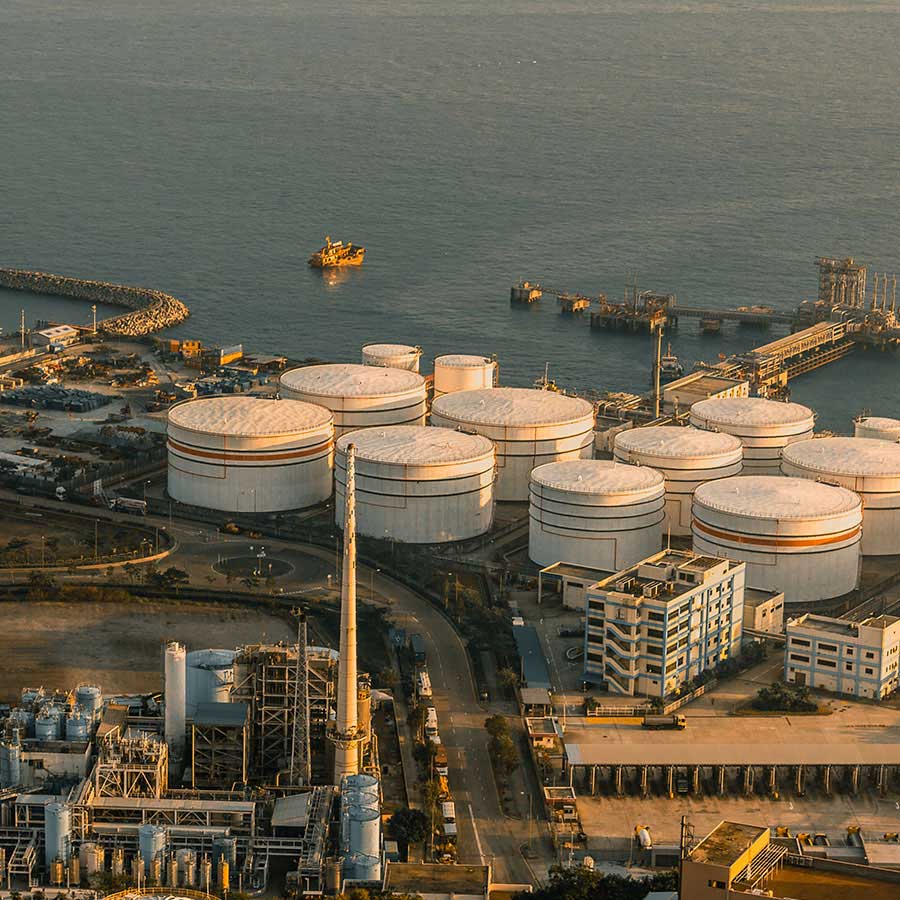
What KSPCB and CPCB Now Expect From Online Monitoring
Online monitoring became mandatory for the 17 highly polluting categories in 2015. Since then, the rules on how that data is checked have tightened. A Deccan Herald report on CPCB’s revised protocols, which Karnataka was told to follow strictly, sets out the main changes:
- Hourly SMS alerts go to industries when standards are exceeded, based on exceedances, consistent values and connectivity status, and the alerts feed into compliance grading.
- Gaseous analysers need fortnightly checks, while particulate monitors need initial, quarterly, annual and incidental calibration.
- About 250 industries in Karnataka require this monitoring, according to a source quoted in the report.
Two sector rules matter in Bengaluru as well. CPCB’s biomedical waste incinerator norms call for CEMS measuring CO, CO₂ and O₂, with data transmitted in real time to the state board and CPCB. CPCB has also told state boards to ensure that waste-to-energy plants run online monitoring of PM, SO₂, NOx, HF, HCl and CO, as reported by Deccan Herald.
Matching the Analyser to the Unit
Mr. Adarsh Kapur
MD & Founder — M.S. Instrumentation, BITS Pilani (Gold Medallist)
01
Bulk drug and API plants
API plants combine acid gases, ammonia and solvent vapours, often on different stacks. The AR602Z UV spectrometer based gas monitoring system measures HCl, Cl₂, NH₃, SO₂ and benzene together without cross-interference. Where the consent names solvents, the AR650 multi-component analyser lists toluene, xylene, phenol, formaldehyde, styrene and total hydrocarbons. For ammonia-rich ducts, the LD500 in-situ gas analyzer measures across the duct with no sample line for the gas to cling to.
02
Biomedical waste incinerators
CPCB's incinerator norms centre on CO, CO₂ and O₂ as indicators of combustion quality. The System 400 and AR650 both measure CO and CO₂. For oxygen, Nevco supplies the OXY600 online oxygen analyser, and the LD500 lists O₂ alongside CO. Any further gases KSPCB prescribes, such as HCl, can be added to the same system.
03
Waste-to-energy plants
A waste-to-energy stack carries the longest acid gas list in the city. System 400 in its 400EXT configuration is aimed at waste incineration and adds H₂O and HCl to the combustion gases, and System 400 also lists HF. Particulates, which the directive includes, are measured by stack dust monitoring instruments alongside the gas analyser.
04
Boilers and captive power
For SO₂, NO, NO₂ and CO from boilers, System 400 in its 400CS or 400BASIC configuration covers the combustion gases, and it can be extended later if the CFO adds parameters.
Keeping Up With Fortnightly Checks
With gas analysers checked every fortnight and alerts sent every hour, a CEMS that drifts or drops offline becomes a compliance problem quickly. Three things help:
Analysers with fewer wearing parts
The LD500 has no sample extraction or conditioning system, so there is less to clean and replace between checks.
Remote calibration where the design allows
Nevco has delivered System 400 online SO₂ analysers with a remote calibration facility at Tata Steel Long Products, Joda.
An AMC built around the schedule
Our AMC covers calibration, routine servicing and breakdown repairs, so checks happen on time.
Relevant Nevco Projects and Clients
Nevco’s projects do not yet include a stack installation in Bengaluru. The closest matches to the city’s CEMS users:
GAIL, Gandhar
Optical CEMS using UV-DOAS for waste incineration, directly relevant to incinerators and waste-to-energy plants.
SRF and Birla Corporation
Stack monitoring of SO₂, NOx and particulates.
Petcoke calciner and carbon plant
System 400 measuring SO₂, NOx and NH₃ in corrosive gas with more than 40% moisture.
Sulphuric acid plant
Gas-phase SO₂ measurement across a 0 to 20% range.
Companies with a strong Bengaluru presence on Nevco’s client list include Toyota, which builds cars at Bidadi, Wipro, Titan Company and BHEL. Pharma and chemical clients include Dr. Reddy’s, Hikal, Aarti Industries and SRF.
Nevco is certified to ISO 9001:2015 and ISO/IEC 27001:2013, holds a Best MSME Award and works with principals including OPSIS, Sintrol and KANE. It has more than 10,000 flue gas analysers installed in India.
Our Global Partners






Nevco’s clients include Reliance, Tata Power, Indian Oil, HP, ONGC, GAIL, NTPC, BHEL, Adani, Essar, Hindalco, Vedanta, Jindal, NALCO, SAIL, IFFCO, UltraTech, ACC, Aditya Birla Group, Aarti Industries, Hikal, SRF, Dr. Reddy’s, Hindustan Unilever, Saint-Gobain, Maruti, Toyota, Honda, MRF, Goodyear and Wipro.
Pollution control authorities rely on Nevco too: CPCB, DPCC, TNPCB, PPCB, the MP Pollution Control Board and the Goa State Pollution Control Board are among our clients as well.
Data to KSPCB and CPCB
Readings travel through the NEVCO NV-LX data logger, which follows the CPCB communication protocol, to KSPCB and CPCB over Ethernet or 4G. Our IoT-CPCB connectivity is set up and tested by our own engineers, which matters now that connectivity status is one of the triggers for CPCB alerts.
Ambient air at a campus or plant boundary is a different requirement, met by a continuous ambient air quality monitoring system.
How We Take On a Bengaluru CEMS Project
- Check the requirement. We read your CFO and confirm whether, and where, continuous stack monitoring applies.
- Survey. We inspect ports, platforms, power and network at each stack.
- Supply and connect. We install the matched analysers and link them to KSPCB and CPCB.
- Maintain. The AMC keeps calibration and checks on schedule.
Get a CEMS Proposal for Your Bengaluru Unit
- Send your KSPCB CFO and a list of stacks.
- We confirm the requirement and recommend an analyser for each stack.
- You will receive an itemised quote for equipment, installation, server connectivity and AMC.
- +91-9999946668
- sales@nevcoengineers.com
We are open from Monday to Saturday 10:00 AM - 06:00 PM
Frequently Asked Questions.
Have questions about our systems, compliance requirements, or service offerings? We’ve answered the most common ones here.
Does every factory in Peenya need a CEMS?
No. Peenya’s roughly 13,000 units are mostly small engineering, electrical and apparel businesses. A CEMS is needed only where the unit falls in CPCB’s 17 categories or its KSPCB consent asks for continuous stack monitoring.
Do biomedical waste incinerators in Bengaluru need a CEMS?
Yes. CPCB’s incinerator norms call for CEMS measuring CO, CO₂ and O₂, plus parameters the state board prescribes, with data sent in real time to KSPCB and CPCB.
What must a waste-to-energy plant's CEMS measure?
According to a CPCB directive reported by Deccan Herald, waste-to-energy plants must monitor particulate matter, SO₂, NOx, HF, HCl and CO online and in real time.
Do pharma units in Bommasandra and Jigani need online monitoring?
Bulk drug and API manufacturing is one of CPCB’s 17 highly polluting categories, so these units usually do. Formulation-only units depend on their KSPCB consent.
How often must a gas CEMS be checked?
Under CPCB’s revised protocols, as reported by Deccan Herald, gaseous emission analysers need fortnightly checks. Particulate monitors follow initial, quarterly, annual and incidental calibration.
What triggers a CPCB emission alert?
Alerts are based on exceedances, consistent values and connectivity status, and go to industries by SMS every hour. A dropped data link can trigger one as surely as a high reading.
Which Nevco analyser measures oxygen for an incinerator?
Nevco’s OXY600 is an online oxygen analyser, and the LD500 also lists O₂ along with CO. System 400 or AR650 can add CO₂ and other gases.
Can a CEMS measure solvent vapours from an API plant?
Yes. The AR650 lists toluene, xylene, benzene, phenol, formaldehyde, styrene and total hydrocarbons among its parameters, measured by FTIR-DOAS across the stack.
Which parts of Bengaluru do you cover?
We take on CEMS projects in Peenya, Bommasandra, Jigani, Bidadi, Doddaballapur and other industrial areas around Bengaluru, with AMC support after commissioning.
How do I get a CEMS quote in Bangalore?
Send your KSPCB CFO, the stacks and gases to be monitored, and the power and network available. We first confirm whether a CEMS is required, then quote by stack, analyser, installation and AMC.