
Air Quality Monitoring Systems in Ahmedabad
Ahmedabad’s industrial estates are some of the most tightly packed in Gujarat. In places like Vatva and Naroda, hundreds of units share the same streets and the same air. An air quality monitoring system in Ahmedabad helps a plant measure that air around the clock and see how much of the pollution is its own. It also sends every reading to the state board, GPCB, and to CPCB.
For 44 years, Nevco Engineers has helped Indian industry meet environmental norms. We provide the AR 500 (OPSIS) CAAQMS, now running at more than 300 sites in India, together with dust monitoring, data connectivity, installation, and long-term service.
In short: An Ahmedabad CAAQMS should match your GPCB consent, include weather sensors that can separate your emissions from your neighbours’, and keep running costs low over many years. Nevco designs, installs, and maintains the complete station.
Plan your station with us: +91-9999946668 | sales@nevcoengineers.com | Request a Quote

GPCB Compliance for Ahmedabad Industries
Under Gujarat’s Consolidated Consent and Authorisation (CC&A), larger and red category units are often told to monitor ambient air continuously at their boundary. If your unit falls under one of CPCB’s 17 highly polluting categories, online connectivity to the central and state data servers is mandatory as well.
New projects face another trigger. Large plants in areas like Sanand often find ambient monitoring written into their Environmental Clearance conditions. In older estates, years of regulatory attention mean inspectors look closely at boundary data.
.
CAAQMS in Ahmedabad: Five Estates, Five Monitoring Profiles
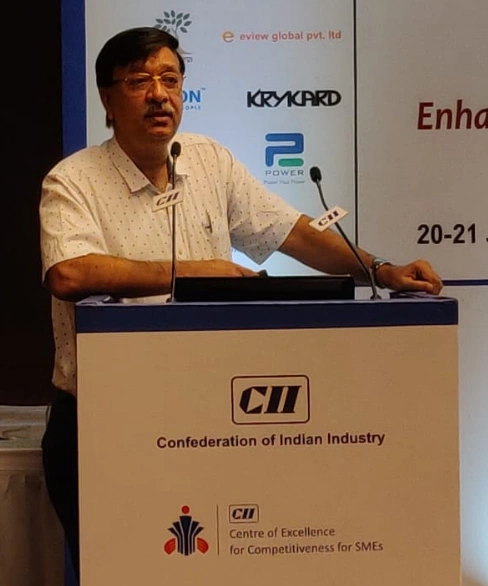
Mr. Adarsh Kapur
MD & Founder — M.S. Instrumentation, BITS Pilani (Gold Medallist)
01
Vatva GIDC
Vatva is one of the state's oldest chemical estates, home to dyes, pigments, intermediates, and pharma units. Stations here usually track HCl, Cl₂, NH₃, SO₂, and VOCs like benzene.
02
Naroda GIDC
Naroda is a mixed estate of chemical, pharma and engineering units. It calls for SO₂, NO₂, NH₃, VOCs and particulates.
03
Odhav
Odhav is a crowded belt of small and mid-sized fabrication, plastics, food and chemical units. Boilers, furnaces and heavy traffic make NO₂, SO₂, CO and PM the main concerns.
04
Sanand
Sanand is a fast-growing automobile and engineering hub. Paint shops, foundries and logistics push NO₂, CO, O₃ and VOCs up the priority list.
05
Changodar
Changodar's pharma, packaging and warehousing units line the Sarkhej-Bavla highway. Most sites here focus on NO₂, SO₂, VOCs and PM.
Why Ahmedabad Plants Partner With Nevco
Experience You Can Verify
Nevco began in 1982 as Combustion Analysers and is led by Adarsh Kapur, a gold medallist in Instrumentation Engineering from BITS Pilani. Over 44 years, the company has installed 300+ CAAQMS stations, 600+ SM 200 dust monitors, 10,000+ flue gas analysers and 1,000+ water monitoring stations in India. Its quality systems are certified to ISO 9001:2015, and its information security to ISO/IEC 27001:2013.
Recognition From Industry Bodies
Nevco has received the Best MSME Award and won the Energy Efficient Technology Provider category at the CII National Energy Efficiency Circle Competition.
Technology From Global Specialists
Our analysers come from specialist manufacturers we have partnered with for years: OPSIS for DOAS gas monitoring and dust, Sintrol for stack dust, WTW and Xylem for water quality, and KANE, COMARK, Nova, LSI, SKI and TriOS for allied instruments.
One Team for Every Monitoring Need
Ahmedabad plants rarely need only ambient monitoring. Nevco also supplies CEMS, stack dust monitors, effluent and water quality systems, flow meters, and noise monitoring. That means one supplier, one AMC, and one point of contact for all your compliance equipment.
Support for the Life of the Station
We integrate every station with GPCB and CPCB servers using our own engineers. Our service centres in major cities keep repair times short, and our engineers train at the calibration facilities of our global principals.
Our Global Partners









Nevco’s clients include Reliance, Tata Power, Indian Oil, HP, ONGC, GAIL, NTPC, BHEL, Adani, Essar, Hindalco, Vedanta, Jindal, NALCO, SAIL, IFFCO, UltraTech, ACC, Aditya Birla Group, Aarti Industries, Hikal, SRF, Dr. Reddy’s, Hindustan Unilever, Saint-Gobain, Maruti, Toyota, Honda, MRF, Goodyear and Wipro.
Pollution control authorities rely on Nevco too: CPCB, DPCC, TNPCB, PPCB, the MP Pollution Control Board and the Goa State Pollution Control Board are among our clients as well.
Industries and Regulators Nevco Serves
Our client base spans the sectors found across Ahmedabad’s estates:
| Sector | Clients |
|---|---|
| Chemicals and pharma | Aarti Industries, SRF, Hikal, Dr. Reddy’s, Saint-Gobain |
| Automobile and engineering | Maruti, Toyota, Honda, Yamaha Motor, TVS, Ashok Leyland, MRF, Goodyear, BKT, Whirlpool |
| Energy and process | Reliance, Indian Oil, ONGC, GAIL, Adani, Essar, IFFCO, NTPC, Tata Power, BHEL |
| Metals and cement | Hindalco, Vedanta, Jindal, SAIL, NALCO, UltraTech, ACC, Aditya Birla Group |
| Consumer goods | Hindustan Unilever, Titan Company, Haldiram, Dr. Oetker, DS Group |
| Regulators | CPCB, DPCC, TNPCB, PPCB, MP Pollution Control Board, Goa State Pollution Control Board |
For Sanand’s automobile plants and Vatva’s chemical units alike, Nevco already understands how your industry operates.
Our Gujarat Track Record
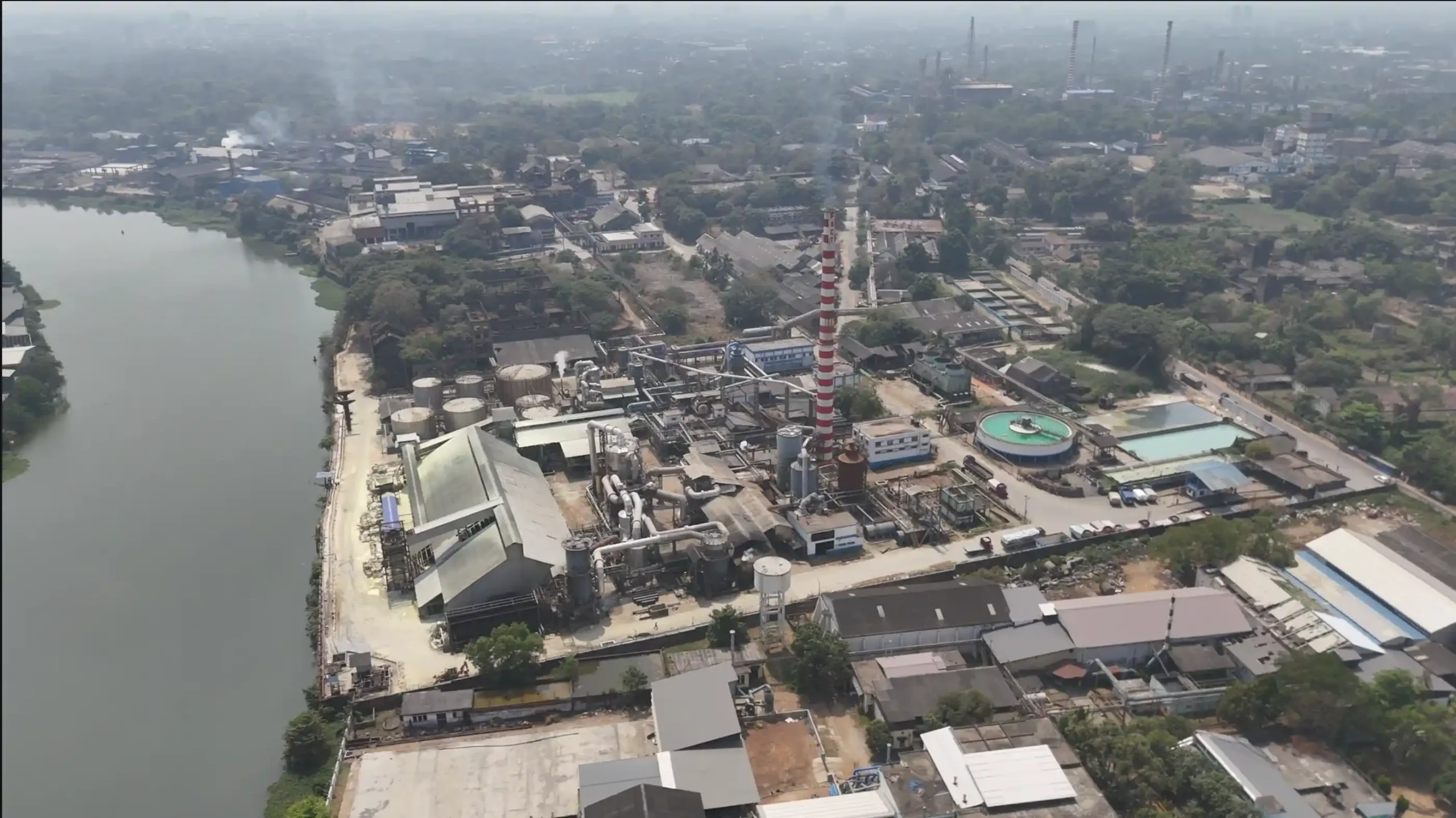
Nevco’s work in Gujarat goes beyond supply. Among our monitoring projects, two stand out for the state:
At IFFCO’s Kandla fertilizer plant, we installed OPSIS DOAS/TDL emission monitoring that measures NH₃, NOx, and SO₂. At GAIL’s Gandhar site, we delivered optical UV-DOAS emission monitoring.
On the ambient side, our DOAS stations at Emami Paper Mills, Balasore have tracked SO₂ and NO₂ continuously since January 2013. CPCB in Delhi also runs an ambient air quality system supplied by Nevco.
Winter Inversions and Shared Air: Telling Your Emissions Apart
Ahmedabad’s winters bring calm nights and temperature inversions. A layer of warm air traps pollutants close to the ground. In a dense estate, everyone’s emissions pile up together, and a single high reading can be hard to pin on any one plant.
A well-planned station tackles this in three ways:
- Weather data on every reading. Wind speed and direction show which way the air was moving when a spike happened.
- Smart siting. Some plants place stations both upwind and downwind of their main sources, so the difference between the two becomes their own contribution.
- Path measurement. The AR 500 reads gas along an open light path rather than at one inlet, giving a more representative picture of a busy boundary.
This is often the most valuable part of a CAAQMS in older estates: it gives a plant evidence when a neighbour’s release is blamed on it.
Dry Season Dust and Your Ambient Air Quality Monitoring Station in Ahmedabad
From March to June, hot dry winds carry fine soil and road dust across Ahmedabad. Construction activity and heavy vehicle movement on the ring road and highways add to it. During these months, PM10 can climb even at sites with well-controlled stacks.
An inspector looking at a high PM10 day needs context. A station that records PM alongside wind speed, wind direction, and humidity provides it. Readings that rise with strong dry winds from open land point to background dust. Readings that rise in still air near a process unit point to a local source.
Nevco measures particulates with the SM 200 (OPSIS), which uses the Beta Attenuation Method for reliable ambient dust monitoring of PM10 and PM2.5 and has more than 600 installations in India.
How the AR 500 (OPSIS) Keeps Running Costs Low
The AR 500 uses DOAS (Differential Optical Absorption Spectroscopy) to measure SO₂, NO₂, O₃, benzene, CO, NH₃, HCl, Cl₂, HF, Hg, and other gases from a single analyser. Its design cuts the costs that usually build up over a station’s life:
- No moving parts and no sample filters, so fewer spares
- One calibration a year, backed by certified span drift of 2% per year
- Low power consumption, which helps given Ahmedabad’s long cooling season
- Up to 25 years of service life, with upgrade support
- 95% data capture and EPA-approved technology
That combination makes the AR 500 a cost-effective continuous ambient air quality monitoring system for estates where stations must run for decades.
From Survey to AMC: What Nevco Delivers
A Nevco project for an air quality monitoring system in Ahmedabad includes these eight deliverables:
- Site survey covering your CC&A, layout, and local wind pattern
- Station siting that follows CPCB norms and accounts for neighbouring sources
- AR 500 (OPSIS) gas analyser configured to your parameter list
- SM 200 (OPSIS) dust monitor for PM10 and PM2.5
- Weather sensors and air-conditioned shelter
- NEVCO NV-LX data logger, built to the CPCB protocol for IoT-based CPCB connectivity over Ethernet or 4G
- Commissioning, calibration, and live GPCB and CPCB integration
- Training and AMC for calibration, maintenance, and breakdowns
Choosing an AQMS Supplier in Ahmedabad: The Lifetime Cost View
When comparing quotes from an AQMS supplier in Ahmedabad, look past the purchase price. This table shows where lifetime costs usually come from:
| Cost Driver | Common Problem | The Nevco Approach |
|---|---|---|
| Calibration | Frequent visits and gas use per analyser | One calibration a year on the AR 500 |
| Spares | Pumps, valves and filters wear out | No moving parts in the gas analyser |
| Power | Heavy loads in a long hot season | Low power consumption |
| Data gaps | Lost readings mean compliance risk | 95% data capture |
| Siting | Poor location makes data hard to defend | Survey-led siting for shared estates |
| Support | Slow repair after a breakdown | Service centres in major cities and AMC cover |
Get a Station Plan and Lifetime Cost Estimate
Send us your CC&A conditions and estate location. Our team will reply with:
A recommended station layout and parameter list
An itemised quote for equipment, installation, and GPCB connectivity
An AMC proposal so you can see the full lifetime cost upfront
- +91-9999946668
- sales@nevcoengineers.com
We are open from Monday to Saturday 10:00 AM - 06:00 PM
Frequently Asked Questions.
Have questions about our systems, compliance requirements, or service offerings? We’ve answered the most common ones here.
How do I check today's air quality in Ahmedabad?
Ahmedabad’s current AQI is listed in the Sameer app and on CPCB’s live air quality dashboard, using data from government stations around the city. For readings at a specific estate like Vatva or Naroda, a plant needs its own boundary station.
How does a CAAQMS work?
A CAAQMS draws on analysers that measure each pollutant continuously. The AR 500 uses DOAS, where a light beam crosses an open path, and each gas absorbs specific wavelengths. A data logger stores the readings with weather data and sends them to GPCB and CPCB.
What is the price of an air quality monitoring system in Ahmedabad?
The price is shaped by the parameter list in your CC&A or EC, the analyser type, dust monitoring, shelter, and AMC. Low-maintenance analysers cost more upfront but save money over the station’s life. Contact us with your consent details for a quote.
Is Nevco Engineers ISO certified?
Yes. Nevco holds ISO 9001:2015 certification for quality management and ISO/IEC 27001:2013 for information security.
Does Nevco work with automobile plants in Sanand?
Nevco’s clients include automobile and engineering companies such as Maruti, Toyota, Honda, Yamaha Motor, TVS, and Ashok Leyland. We configure stations in Sanand around paint shop VOCs, NO₂, CO, and particulates.
Do small units in Odhav need a CAAQMS?
Most small units are not required to run one. The need usually comes from a unit’s category, size, or specific CC&A condition, so check your consent order first.
Which gases should a station in Vatva GIDC measure?
Dye, pigment, and chemical units in Vatva typically monitor HCl, Cl₂, NH₃, SO₂ and VOCs like benzene, plus PM10 and PM2.5.
Can a CAAQMS help meet Environmental Clearance conditions in Sanand?
Yes. Many EC orders for large plants require continuous ambient monitoring, and a connected CAAQMS provides that record.
How do winter inversions affect readings in Ahmedabad?
They trap pollutants near the ground, so concentrations rise on calm nights. Weather data recorded with each reading helps explain these peaks.
Do you install CAAQMS in Naroda and Changodar?
Yes. We handle station projects from survey to AMC in Naroda, Changodar, Vatva, Odhav, Sanand, and other estates around Ahmedabad.