
Air Quality Monitoring Systems in Bhubaneswar
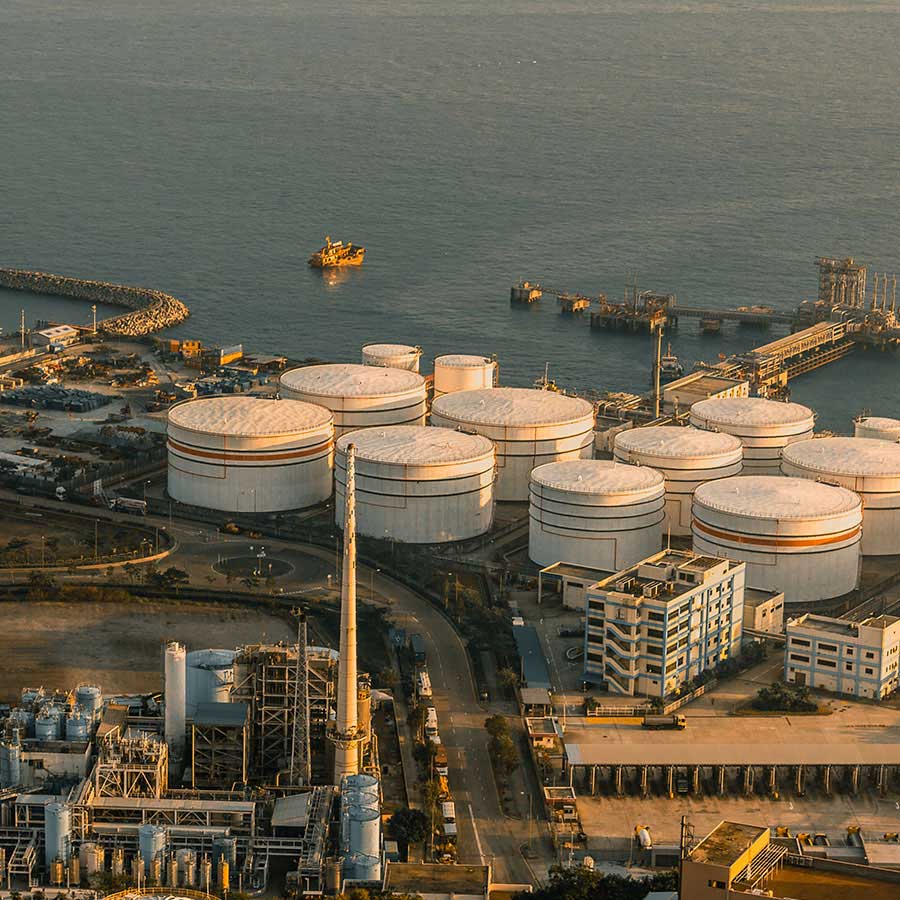
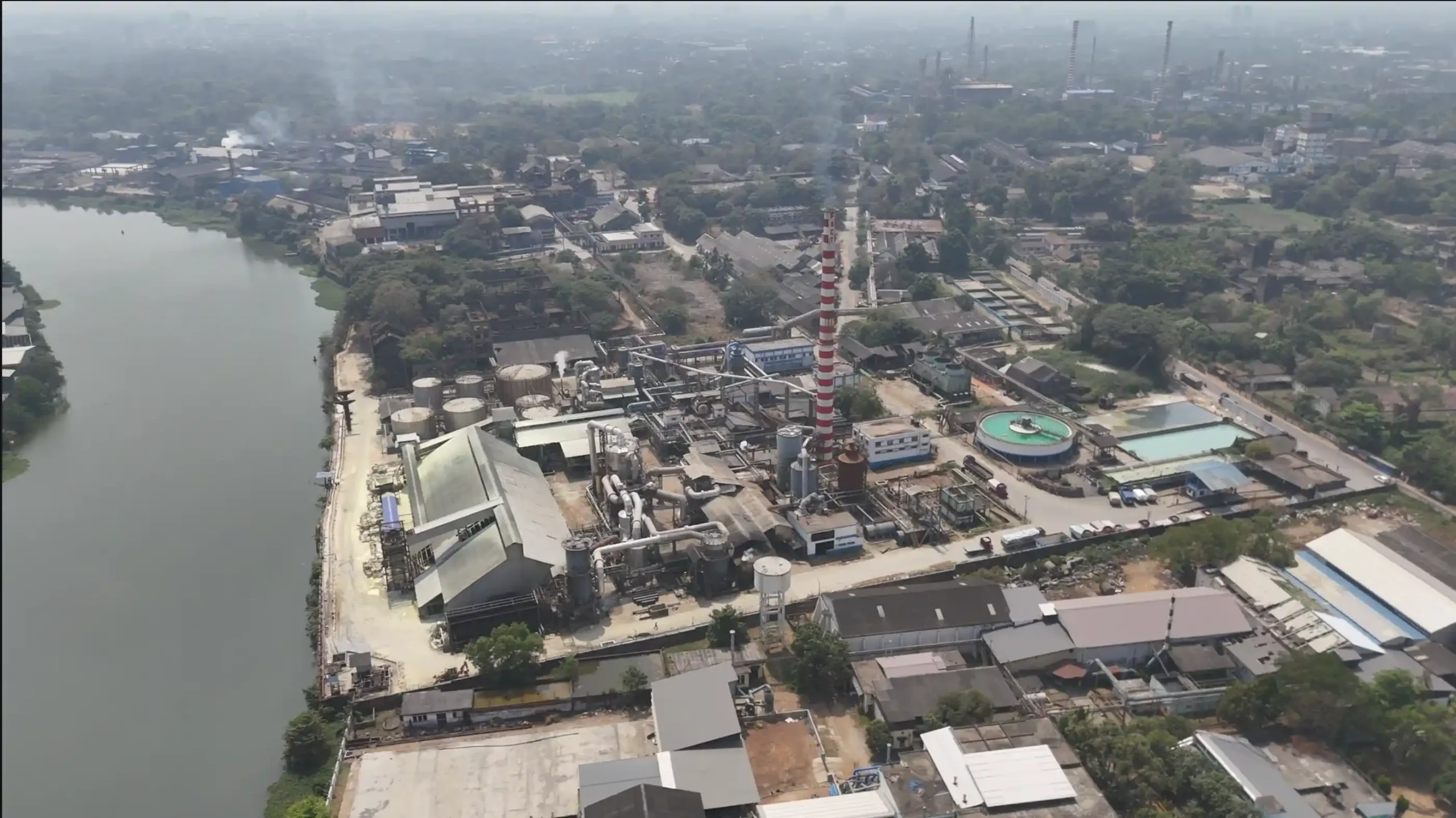
Bhubaneswar is where coastal Odisha’s industry is planned, approved and managed. The state’s environmental regulator, OSPCB, is headquartered here. So are the corporate offices that run the steel, refinery, port and ferro alloy plants stretching north toward Kalinganagar and Paradip. An air quality monitoring system in Bhubaneswar and its surrounding belt helps those plants keep a reliable, round-the-clock record of boundary air. That record is shared live with OSPCB and CPCB.
Our offer for coastal Odisha centres on the AR 500 (OPSIS), a DOAS analyser with a track record of 300+ Indian installations, plus project and service support on site. Nevco has worked in environmental monitoring for 44 years and already has projects in Odisha.
In short: Coastal Odisha stations must be built to survive cyclones and salty air, configured for the very different needs of steel, refining and fertilizer plants, and supported across several sites. Nevco supplies, installs and maintains stations along the whole corridor.
Talk to our Odisha project team: +91-9999946668 | sales@nevcoengineers.com | Request a Quote
Air Quality Monitoring in Bhubaneswar Under OSPCB Rules
Industries in this belt operate under OSPCB‘s Air Act consents. Steel, ferro alloy, refinery, fertilizer and port operations are red category activities, so continuous ambient monitoring is a standard condition in their operating consents and Environmental Clearances. Plants in CPCB’s 17 highly polluting sectors must also keep their systems linked online to OSPCB and CPCB.
Because OSPCB’s head office is in Bhubaneswar, compliance reviews, consent renewals and hearings for many of these plants are handled in the capital. Clear, continuous data makes those conversations far simpler.
CAAQMS in Bhubaneswar and the Khurda to Paradip Corridor
Picture the corridor as a journey northeast from the capital to the sea.
It starts around Khurda, at the edge of Bhubaneswar. Industrial estates here hold engineering, fabrication, food processing, building materials and smaller metal units. Traffic and construction are big contributors, so stations focus on PM10, PM2.5, NO₂ and CO.
Heading north past Cuttack, you reach Choudwar. This older industrial town is known for ferro alloy smelting and allied metal units. Submerged arc furnaces release fine dust and combustion gases, making PM2.5, PM10, SO₂ and CO the priorities.
Further along the highway lies Kalinganagar in Jajpur district. It has grown into one of eastern India’s largest steel hubs, with integrated steel, stainless steel and ferrochrome plants side by side. Coke making, sintering and melting call for PM10, PM2.5, SO₂, NO₂, CO and benzene.
The corridor ends at Paradip on the coast. Here a major refinery, fertilizer complexes and one of India’s busiest bulk ports share the same shoreline. Refining brings benzene and hydrocarbons, SO₂ and NO₂. Fertilizer production adds NH₃ and SO₂, and coal, ore and fertilizer handling at the port raises particulates.
Each stop on this route needs a different station. A fertilizer unit at Paradip and a ferro alloy plant at Choudwar may share a regulator, but they share little else.
Why Coastal Odisha Plants Choose Nevco
Since 1982 | 44 years of experience | 300+ CAAQMS stations | ISO 9001:2015 and ISO/IEC 27001:2013 | Best MSME Award
Nevco Engineers started life as Combustion Analysers and is led by Adarsh Kapur, a gold medallist in Instrumentation Engineering from BITS Pilani. Our track record in India also includes 600+ SM 200 dust monitors, 10,000+ flue gas analysers and 1,000+ water monitoring stations. We won the Energy Efficient Technology Provider category at the CII National Energy Efficiency Circle Competition.
We bring technology from OPSIS, Sintrol, WTW, Xylem, KANE, COMARK, Nova, LSI, SKI and TriOS, and we cover every compliance need in one place: CAAQMS, CEMS, stack dust, effluent, water quality, flow and noise. Our engineers integrate stations with CPCB and SPCB servers themselves, train at our principals’ calibration facilities and work from service centres in major cities.
Our Global Partners



Nevco’s clients include Reliance, Tata Power, Indian Oil, HP, ONGC, GAIL, NTPC, BHEL, Adani, Essar, Hindalco, Vedanta, Jindal, NALCO, SAIL, IFFCO, UltraTech, ACC, Aditya Birla Group, Aarti Industries, Hikal, SRF, Dr. Reddy’s, Hindustan Unilever, Saint-Gobain, Maruti, Toyota, Honda, MRF, Goodyear and Wipro.
Pollution control authorities rely on Nevco too: CPCB, DPCC, TNPCB, PPCB, the MP Pollution Control Board and the Goa State Pollution Control Board are among our clients as well.
Clients Along the Corridor
Companies with major plants between Bhubaneswar and Paradip appear on Nevco’s client list, including Indian Oil, IFFCO, Essar and Jindal. Elsewhere in Odisha, NALCO, NTPC, Vedanta, Hindalco and SAIL are clients too. The wider list includes Tata Power, Reliance, ONGC, GAIL, Adani, BHEL, UltraTech, Aditya Birla Group and Emami Group, with regulators CPCB, DPCC, TNPCB and PPCB.
Nevco Projects Mapped to the Corridor
These air and emission monitoring projects line up with each stop between Bhubaneswar and the coast:
| Corridor Stop | Related Nevco Project | What Carries Over |
|---|---|---|
| Coastal sites near Paradip | Emami Paper Mills, Balasore, Odisha: three DOAS ambient stations measuring SO₂ and NO₂ since January 2013 | Over a decade of open-path monitoring on the Odisha coast |
| Paradip fertilizer complexes | IFFCO, Kandla: OPSIS DOAS/TDL monitoring of NH₃, NOx and SO₂ | Fertilizer process gases measured with OPSIS technology |
| Kalinganagar steel and ferrochrome | Tata Steel Long Products, Joda, Odisha: System 400 SO₂ analysers with remote calibration | Steel sector monitoring in Odisha’s mining and metals belt |
| Captive power across the belt | NALCO, Angul, Odisha: stack monitoring for a 1,200 MW captive power plant | Large coal-fired power experience inside the state |
An Ambient Air Quality Monitoring Station in Bhubaneswar Built for Cyclones
Odisha’s coast faces severe cyclones from time to time, bringing extreme winds, heavy rain, flooding and long power cuts. A monitoring station that fails during a storm leaves a gap in the record exactly when conditions are unusual.
For coastal sites, we plan stations with:
- Firm anchoring for the shelter, weather mast and optical path mounts
- Raised platforms in low-lying or flood-prone areas
- Sealed, corrosion-resistant enclosures for salty air
- Power backup sized to keep the analyser and data logger running through grid outages
The AR 500 helps here too. With no pumps, sample lines or filters, there is far less for driving rain and humidity to damage. Its low power draw also stretches backup supplies further.
Supporting Operators With Several Plants
Many companies in this corridor run more than one plant: a steel unit in Kalinganagar, a captive jetty in Paradip, an office in Bhubaneswar. For them, the simplest setup is one supplier for every station.
With Nevco, each site gets the same AR 500 and SM 200 configuration, the same NEVCO NV-LX logger and the same reporting format. The NV-LX is built to the CPCB communication protocol and provides IoT connectivity to OSPCB and CPCB servers over Ethernet or 4G. A single AMC can cover all of your stations, so your environment team deals with one service contact across the corridor.
AR 500 (OPSIS) Spec Snapshot
- Measurement principle: Differential Optical Absorption Spectroscopy (DOAS), open path
- Typical gases: sulphur dioxide, nitrogen dioxide, ozone, ammonia, carbon monoxide, benzene, mercury, chlorine and acid gases
- Moving parts: none
- Calibration: once per year
- Span drift: certified 2% per year
- Data capture: 95%
- Service life: up to 25 years
- Approval: EPA approved technology
Together, these specs make the AR 500 a robust continuous ambient air quality monitoring system for coastal industry. Port cargo and steel dust call for a separate particulate monitor. Here the SM 200 (OPSIS) takes over ambient dust monitoring, reading both size fractions by Beta Attenuation.
Choosing an AQMS Supplier in Bhubaneswar
Coastal Odisha tests suppliers on two fronts: storm resilience and reach. A capable AQMS supplier in Bhubaneswar should explain how stations stay anchored and powered through a cyclone, and how engineers will reach Kalinganagar or Paradip.
Nevco answers both with storm-ready station design, an analyser without moving parts, AMC cover and service centres in major cities. We plan each air quality monitoring system in Bhubaneswar for the worst week of the year, not the best.
Speak to Our Odisha Project Team
Whether your air quality monitoring system in Bhubaneswar covers one plant or several along the corridor:
- Tell us about your plant or plants, with OSPCB consent and EC conditions.
- We propose a station plan for each site, including cyclone protection where needed.
- You get one consolidated quote for equipment, installation, OSPCB connectivity, and AMC.
- +91-9999946668
- sales@nevcoengineers.com
We are open from Monday to Saturday 10:00 AM - 06:00 PM
Frequently Asked Questions.
Have questions about our systems, compliance requirements, or service offerings? We’ve answered the most common ones here.
What is the air quality like in Bhubaneswar?
It is usually better than in many inland Indian cities, helped by sea breezes and monsoon rain. Winter is the weaker season, as still air keeps traffic, construction and industrial dust close to the ground. Live AQI is on CPCB’s Sameer app.
Where is the OSPCB head office?
The State Pollution Control Board, Odisha has its head office in Bhubaneswar. Regional offices handle industrial areas such as Kalinganagar and Paradip.
How do cyclones affect air quality monitoring stations?
Strong winds, flooding and power cuts can damage equipment and interrupt data. Anchored shelters, raised platforms, sealed enclosures and backup power keep coastal stations recording through storms.
Has Nevco done projects in Odisha?
Yes. Nevco’s Odisha projects include three DOAS ambient stations at Emami Paper Mills in Balasore (running since 2013), SO₂ analysers at Tata Steel Long Products in Joda and stack monitoring for NALCO’s captive power plant in Angul.
Which gases should be monitored near Paradip?
Refinery neighbours focus on benzene, hydrocarbons, SO₂ and NO₂. Fertilizer plants add NH₃, and port operations need PM10 and PM2.5 monitoring for cargo dust.
Can Nevco manage stations across several plants?
Yes. Nevco can supply the same station setup at every site, connect each one to OSPCB and CPCB, and cover all of them under a single AMC.
Do ferro alloy plants in Choudwar need ambient monitoring?
Larger ferro alloy plants usually do, as a condition of their consent. Their furnaces release fine dust and gases, so PM2.5, PM10, SO₂ and CO are the main parameters.
Can CAAQMS data support an Environmental Impact Assessment?
Yes. Continuous boundary data gives a strong record of existing air quality, which helps when planning expansions. Formal EIA baseline studies still follow the methods set out in the project’s terms of reference.
How do I get a quote for a CAAQMS in Bhubaneswar?
Share your OSPCB consent or EC conditions, the parameters required, the site location and details of available power and network. We will reply with a configuration and an itemised quote.
Do you cover Khurda and Paradip?
Yes. We take on CAAQMS projects in Khurda, Choudwar, Kalinganagar, Paradip and across coastal Odisha, along with AMC support.