
CEMS Supplier in Bhubaneswar
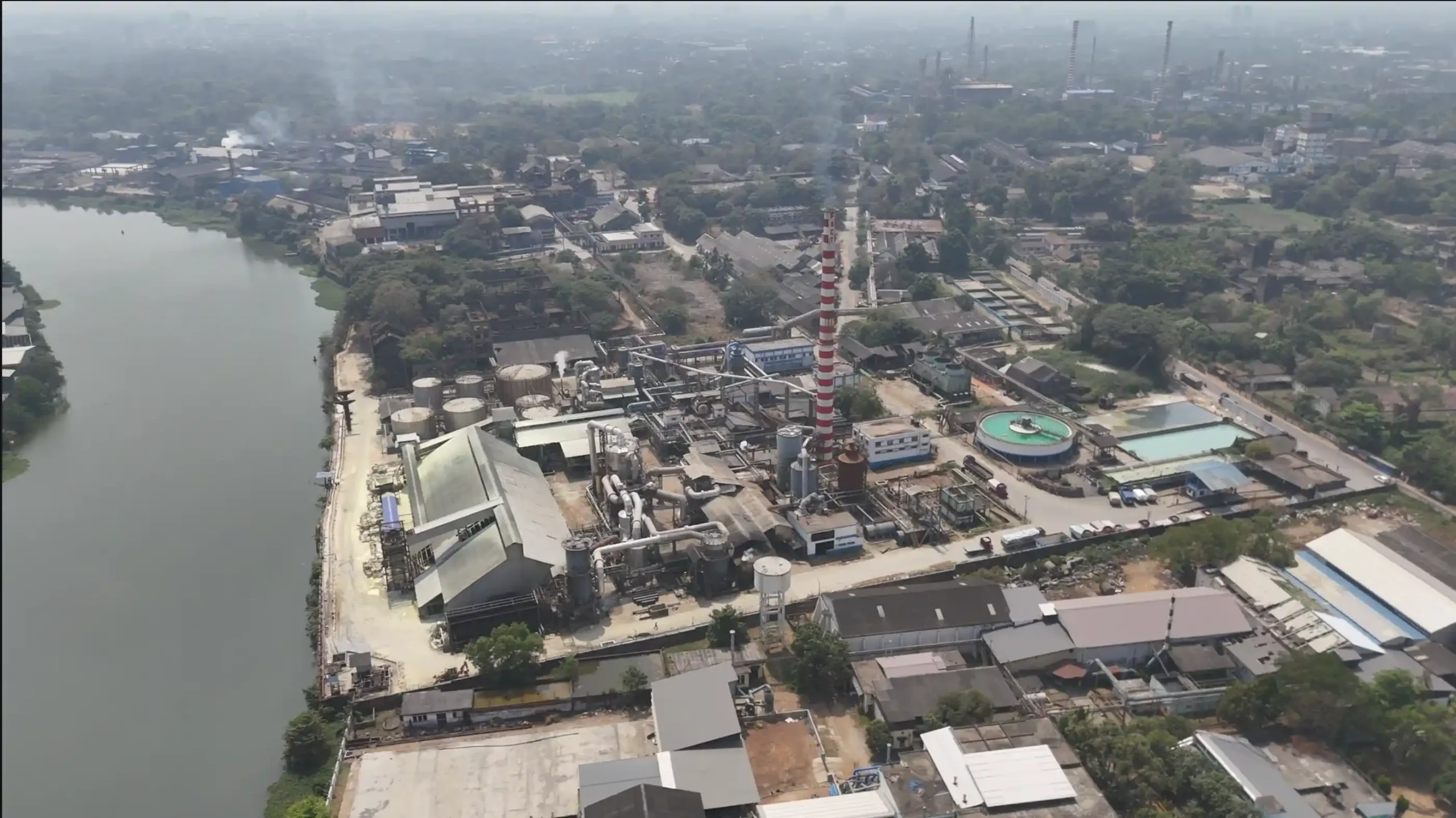
The stacks of coastal Odisha are run from Bhubaneswar. The State Pollution Control Board, Odisha (OSPCB) has its head office here, and so do many of the teams that manage the refinery and fertilizer complexes at Paradip and the steel, stainless and ferrochrome plants of Kalinganagar. A CEMS supplier in Bhubaneswar has to understand what those stacks actually carry: high-strength SO₂ from acid plants, fluoride and ammonia from phosphate fertilizer lines, sulphur compounds from refinery recovery units, and the combustion gases of steelmaking.
Nevco Engineers has 44 years in environmental instrumentation, since 1982. We supply four stack gas analysers, System 400, AR650, AR602Z and LD500, so each stage of a complex process gets the measurement it needs.
In short: Paradip’s refinery and fertilizer chain and Kalinganagar’s steel plants produce very different stack gases. Nevco matches each stack to one of four analysers, connects it to OSPCB and CPCB, and supports it under an AMC, with project planning close to the regulator in Bhubaneswar.
Talk to our CEMS team: +91-9999946668 | sales@nevcoengineers.com | Request a Quote
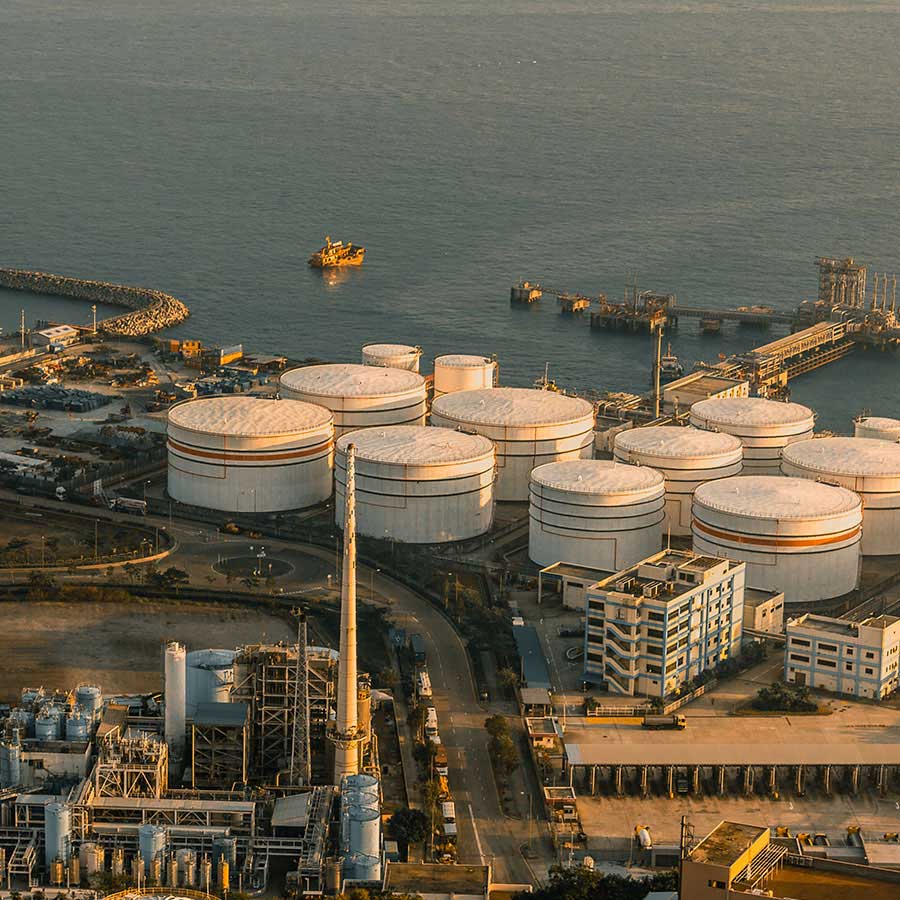
Paradip Is Growing, and So Are Its Stacks
Two facts show the pace. Indian Oil’s Paradip Refinery, commissioned in 2016, has a capacity of 15.0 MMTPA and runs sulphur recovery, polypropylene, monoethylene glycol, and ethylene recovery units, with para-xylene and PTA plants under implementation. At IFFCO’s Paradeep fertilizer complex, a third sulphuric acid plant has raised the site’s total production capability from 750,000 t/a to 2.2 million t/a, according to BCInsight.
New units mean new stacks, and new stacks mean new consent conditions from OSPCB. Refineries, fertilizer plants, petrochemicals, and integrated steel are all among CPCB’s 17 highly polluting categories, which must send online data to CPCB under its online monitoring FAQ.
The Paradip Chain, Stack by Stack
Follow the process from raw material to product, and the gases change at every step.
Sulphuric acid plants
Sulphur is burned and converted to acid, and the tail gas carries SO₂, sometimes at high concentration during start-up or upsets. This calls for an analyser with a wide range. Nevco has delivered gas-phase SO₂ measurement across a 0 to 20% range at a sulphuric acid plant, and System 400 handles SO₂ in its standard configurations.
Phosphoric acid plants
Digesting phosphate rock releases fluorine compounds, so HF is the gas to watch. HF is reactive and sticks to sample lines, which favours the LD500, measuring across the duct with no sample extraction.
Granulation and fertilizer finishing
Ammoniation brings NH₃ alongside fluoride. The AR602Z reads NH₃, HF and SO₂ together without cross-interference, and the LD500 suits ducts where ammonia would cling to tubing.
Refinery sulphur recovery and fired heaters
Sulphur recovery tail gas carries SO₂ and H₂S, and heaters and boilers add NOx and CO. System 400 lists SO₂, H₂S, NO, NO₂ and CO, and offers the 400HWE configuration for mercury where required.
Petrochemical units
Polymer and glycol units bring hydrocarbons and organic compounds into the gas list. The AR650 covers about 20 compounds, including total hydrocarbons, benzene, toluene and xylene, and its page lists TÜV (EN 15267, QAL1), MCERTS and CSIR-NPL credentials.
Our Global Partners



Nevco’s clients include Reliance, Tata Power, Indian Oil, HP, ONGC, GAIL, NTPC, BHEL, Adani, Essar, Hindalco, Vedanta, Jindal, NALCO, SAIL, IFFCO, UltraTech, ACC, Aditya Birla Group, Aarti Industries, Hikal, SRF, Dr. Reddy’s, Hindustan Unilever, Saint-Gobain, Maruti, Toyota, Honda, MRF, Goodyear and Wipro.
Pollution control authorities rely on Nevco too: CPCB, DPCC, TNPCB, PPCB, the MP Pollution Control Board and the Goa State Pollution Control Board are among our clients as well.
Kalinganagar, Choudwar and Khurda
| Area | Typical stacks | Gases usually in the consent | Nevco analyser |
|---|---|---|---|
| Kalinganagar | Integrated and stainless steel, coke ovens, sinter, captive power | SO₂, NOx, CO, H₂S at coke ovens, mercury at coal-fired boilers | System 400, with 400HWE for mercury |
| Kalinganagar and Choudwar | Ferrochrome and ferro alloy furnaces | CO, SO₂ | System 400 (400BASIC) |
| Khurda | Boilers at engineering, food and building material units | SO₂, NOx, CO, where the consent requires | System 400 (400CS or 400BASIC) |
Residents of the Kalinganagar area have in the past alleged that pollution control equipment was switched off at night, as reported by OrissaPOST in 2018. A continuous, connected record is the strongest answer a plant can give to that kind of complaint. Since ESPs control dust, that record comes from stack dust monitoring, alongside the gas CEMS.
Proof for Coastal Odisha's Industries
From Nevco’s projects, these match the Paradip and Kalinganagar duties most closely:
- Sulphuric acid plant. Gas-phase SO₂ measurement across a 0 to 20% range, the same duty as Paradip’s acid plants.
- Petcoke calciner and carbon plant. System 400 reading SO₂, NOx and NH₃ in corrosive gas with more than 40% moisture, relevant to wet, salty coastal stacks.
- Tata Steel Long Products, Joda, Odisha. Three System 400 online SO₂ analysers with a remote calibration facility.
- NALCO, Angul, Odisha. Boiler stack monitoring at a 1,200 MW captive power plant.
- GAIL, Gandhar. Optical CEMS by UV-DOAS for waste incineration.
On Nevco’s client list are IFFCO, which runs the Paradeep fertilizer complex, and Indian Oil, which runs the Paradip refinery. Other clients with Odisha operations include NALCO, Vedanta, Hindalco, SAIL, Jindal and NTPC.
Nevco holds ISO 9001:2015 and ISO/IEC 27001:2013 certification and a Best MSME Award, works with principals including OPSIS, Sintrol and KANE, and has supplied over 10,000 flue gas analysers in India.
Coastal Conditions at the Stack
Paradip’s stacks sit beside the sea, and acid and fertilizer outlets are often wet. Moisture and salt shorten the life of sample lines and exposed electronics. The LD500 measures in situ with no sample line, and on System 400 and AR650 the stack optics connect by fibre to an analyser housed in a protected shelter. Coastal Odisha also faces cyclones, so we plan shelter, mounting, and power backup with storm season in mind.
Connected to OSPCB From Day One
Each analyser reports through the NEVCO NV-LX logger, built to the CPCB communication protocol, and our IoT-CPCB connectivity sends readings to OSPCB and CPCB over Ethernet or 4G. Our engineers integrate the servers themselves. Air at the plant boundary is a separate requirement, met by a continuous ambient air quality monitoring system.
How We Take On a Coastal Odisha CEMS Project
- Process walk-through. We trace your process from feed to product and list each stack’s gases from the OSPCB consent.
- Survey. We inspect ports, platforms, power, and network, with wet and corrosive outlets flagged early.
- Install and connect. Matched analysers are commissioned and linked to OSPCB and CPCB.
- Support. An AMC keeps calibration, servicing, and breakdown repair on schedule, including through the monsoon and cyclone season.
Request a CEMS Proposal for Your Plant
- Send your OSPCB consent and the list of stacks, including any new units.
- We map each stack to an analyser across the acid, fertilizer, refinery or steel process.
- You receive an itemised quote for equipment, installation, connectivity and AMC.
- +91-9999946668
- sales@nevcoengineers.com
We are open from Monday to Saturday 10:00 AM - 06:00 PM
Frequently Asked Questions.
Have questions about our systems, compliance requirements, or service offerings? We’ve answered the most common ones here.
Which plants around Bhubaneswar need a CEMS?
Refineries, fertilizer plants, petrochemical units, and integrated steel plants are among CPCB’s 17 highly polluting categories and must send online data. In this region, that covers most large units at Paradip and Kalinganagar.
Which gases does a sulphuric acid plant CEMS measure?
Mainly SO₂ in the tail gas, which can reach high concentrations during start-up or upsets. Nevco has delivered gas-phase SO₂ measurement across a 0 to 20% range at a sulphuric acid plant.
Which CEMS suits phosphoric acid and DAP granulation stacks?
The LD500, which measures HF and NH₃ across the duct with no sample line, or the AR602Z, which reads HF, NH₃ and SO₂ together without cross-interference.
Which CEMS suits refinery sulphur recovery and heater stacks?
System 400, which lists SO₂, H₂S, NO, NO₂ and CO. For petrochemical units with hydrocarbons in the gas list, the AR650 is the better fit.
What is new at IFFCO's Paradeep complex?
A third sulphuric acid plant has raised the site’s total production capability from 750,000 t/a to 2.2 million t/a, according to BCInsight. IFFCO is a Nevco client.
Which CEMS suits Kalinganagar steel and ferrochrome plants?
System 400, which covers SO₂, NOx, CO and H₂S for steel plant stacks, with the 400BASIC configuration for ferrochrome and ferroalloy furnaces.
Can a CEMS prove that a plant's ESP was running?
A gas CEMS cannot. ESPs remove dust, so a continuous stack dust monitor is what shows particulate levels hour by hour, including at night.
Where is the OSPCB head office?
The State Pollution Control Board, Odisha, has its head office in Bhubaneswar, with regional offices covering industrial areas such as Paradip and Kalinganagar.
Which areas do you cover from Bhubaneswar?
We take on CEMS projects in Paradip, Kalinganagar, Choudwar, Khurda, and other industrial areas of coastal Odisha, with AMC support after commissioning.
How do I get a CEMS quote for a plant near Bhubaneswar?
Send your OSPCB consent, a list of stacks and gases, and the power and network available. For new units, share the EC conditions as well.