
CEMS Supplier in Kolkata
CEMS Supplier in Kolkata: Continuous Emission Monitoring Systems
Kolkata is where eastern India’s industrial groups make their decisions. The stacks themselves stand in Haldia, Budge Budge, Howrah, Kalyani and the Durgapur-Asansol belt, and often across the border in Odisha and Jharkhand too. That makes choosing a CEMS supplier in Kolkata a head-office decision as much as a plant one: the right partner has to match analysers to very different stacks, report to the West Bengal Pollution Control Board (WBPCB) and CPCB, and keep a group’s emission data consistent from one site to the next.
Nevco Engineers was founded in 1982 and brings 44 years of environmental instrumentation work to the job. Our four stack gas analysers, System 400, AR650, AR602Z and LD500, let a group standardise where it can and specialise where it must.
In short: For Kolkata-based groups, CEMS is a portfolio decision. Nevco matches each stack in Haldia, Durgapur-Asansol, Howrah or Kalyani to one of four analysers, links every site to WBPCB and CPCB in one format, and covers them under one AMC.
Talk to our CEMS team: +91-9999946668 | sales@nevcoengineers.com | Request a Quote
West Bengal's Push Toward Real-Time Data
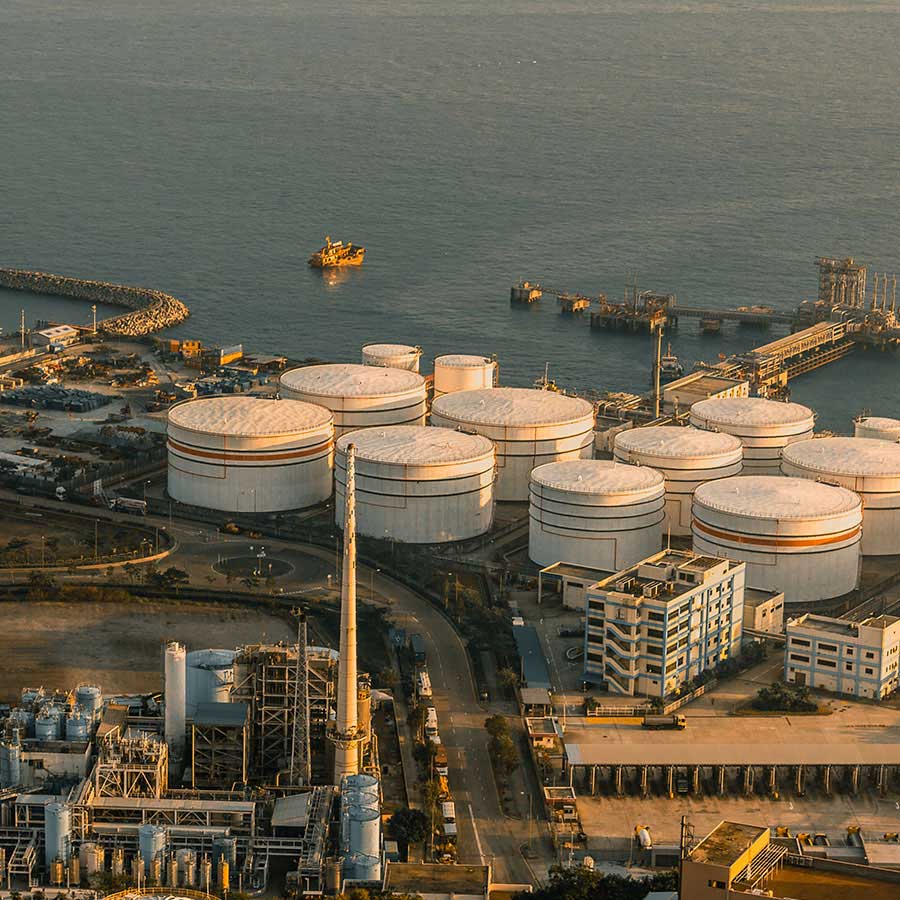
WBPCB began building its online monitoring system for red category industries such as steel plants, sponge iron units and thermal power plants in 2015, with the aim of making it fully operational by March 2016, as reported by Business Standard. Nationally, CPCB requires units in the 17 highly polluting categories to send online data to its servers, according to its online monitoring FAQ.
The direction of travel continues. In November 2025, the West Bengal Industrial Development Corporation announced real-time environmental monitoring across five state industrial parks, including Haldia Industrial Park, with public display boards at the gates, according to Millennium Post. That programme covers ambient air and noise rather than stacks, but its requirement for certified equipment with a track record with Indian regulators says a lot about what buyers in the state now expect.
Belt by Belt: What the Stacks Carry
| Belt | Typical stacks | Gases usually in the consent | Nevco analyser |
|---|---|---|---|
| Haldia | Refinery heaters, petrochemical process units, port-side industry | SO₂, NOx, CO, hydrocarbons, benzene | AR650 for long gas lists; System 400 for heaters |
| Budge Budge | Coal-fired power generation | SO₂, NOx, CO, CO₂, mercury where required | System 400, including the 400HWE for mercury |
| Howrah | Foundry cupolas, forging and rolling mill furnaces | SO₂, CO, NOx | System 400 (400BASIC) |
| Kalyani | Pharma, chemical and brewing units | NH₃, HCl, SO₂, solvent vapours | AR602Z for mixed acid gases; LD500 for ammonia; AR650 for solvents |
| Durgapur-Asansol | Integrated steel, coke ovens, sponge iron kilns, thermal power, cement | SO₂, NOx, CO, H₂S at coke ovens | System 400, which lists all of these |
In many of these belts, particulates are the headline pollutant. Those are measured by stack dust monitoring instruments, which we supply alongside the gas analysers.
Sponge Iron Kilns: A Case to Get Right
West Bengal has a large sponge iron sector, much of it in the Durgapur-Asansol belt and the districts around it. Kiln off-gas passes through dust collection before the stack, and the consent typically names particulates first and gases such as CO and SO₂ after.
That order matters when buying. A sponge iron unit usually needs a reliable stack dust monitor as its first priority, with a gas CEMS sized to the gases its WBPCB consent actually lists. System 400 in its 400BASIC configuration covers SO₂, NO, NO₂ and CO without paying for a long gas list the unit will never report.
Standardising CEMS Across a Group
Groups that manage plants from Kolkata gain a lot from a common approach:
One analyser family per duty.
Boiler stacks across sites can share System 400 configurations, so spares and training carry over.
Remote calibration where distance is an issue.
Nevco has delivered System 400 analysers with a remote calibration facility at Tata Steel Long Products in Joda, Odisha.
One data format.
Every site reports through the NEVCO NV-LX logger, built to the CPCB communication protocol, so head office reads all plants the same way.
One service contract.
A single AMC can cover calibration, servicing and breakdowns across West Bengal, Odisha and Jharkhand.
Readings travel to WBPCB, CPCB or the relevant state board over Ethernet or 4G through our IoT-CPCB connectivity, set up by our own engineers.
Our Global Partners

Nevco’s clients include Reliance, Tata Power, Indian Oil, HP, ONGC, GAIL, NTPC, BHEL, Adani, Essar, Hindalco, Vedanta, Jindal, NALCO, SAIL, IFFCO, UltraTech, ACC, Aditya Birla Group, Aarti Industries, Hikal, SRF, Dr. Reddy’s, Hindustan Unilever, Saint-Gobain, Maruti, Toyota, Honda, MRF, Goodyear and Wipro.
Pollution control authorities rely on Nevco too: CPCB, DPCC, TNPCB, PPCB, the MP Pollution Control Board and the Goa State Pollution Control Board are among our clients as well.
Proof Close to Home
The most local reference on Nevco’s projects list comes from a Kolkata-headquartered company. For Birla Corporation, Nevco delivered emission and effluent monitoring covering particulates, SOx and NOx in the stack, and pH, TSS and temperature in effluent.
Other work relevant to eastern India:
- Tata Steel Long Products, Joda, Odisha. Three System 400 online SO₂ analysers with remote calibration, in the steel and sponge iron sector.
- NALCO, Angul, Odisha. Boiler stack monitoring for a 1,200 MW captive power plant, the scale of the larger power units in Bengal.
- Petcoke calciner and carbon plant. System 400 handling SO₂, NOx and NH₃ in gas that is both corrosive and over 40% moisture.
- GAIL, Gandhar. UV-DOAS optical CEMS on a waste incineration stack, relevant to Kalyani’s chemical and pharma units.
Kolkata-based Emami Group and Haldiram are on Nevco’s client list, along with SAIL, Indian Oil and NTPC, which run major plants in West Bengal.
Nevco holds ISO 9001:2015 and ISO/IEC 27001:2013 certification and a Best MSME Award, partners with OPSIS, Sintrol and KANE, and has more than 10,000 flue gas analysers installed in India. Only the AR650’s product page names specific certifications, TÜV (EN 15267, QAL1), MCERTS and CSIR-NPL, so we confirm the documents for any other analyser before quoting.
Stack, Dust and Boundary
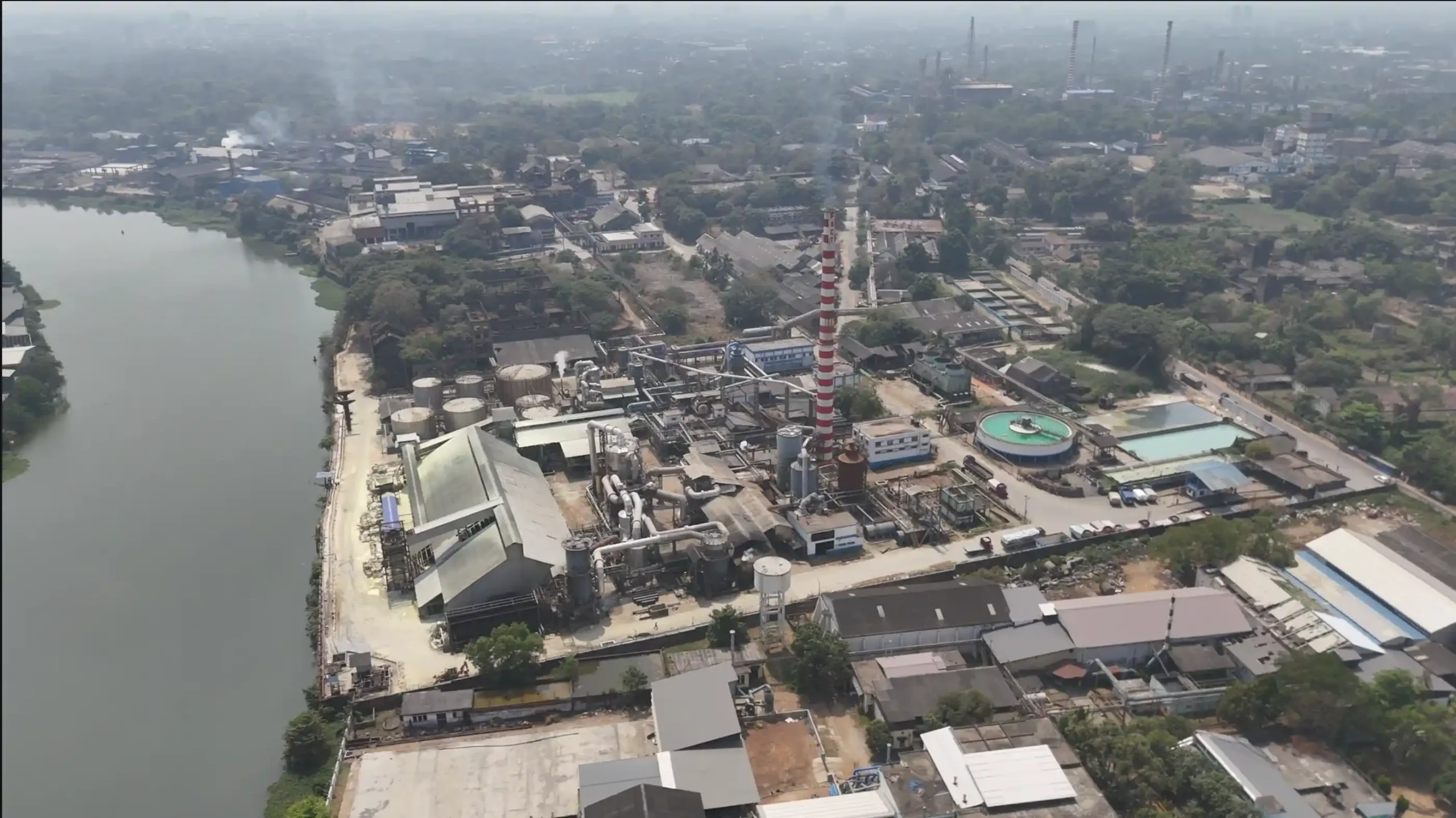
A gas CEMS covers what leaves the stack as gas. Stack particulates need a dust monitor, and the air at the plant boundary needs a continuous ambient air quality monitoring system. Large Haldia and Durgapur-Asansol units commonly run all three, and buying them together keeps one logger, one data link and one AMC.
How We Run a Group CEMS Programme
- Portfolio review. We list every stack and gas across your plants from their consents.
- Site surveys. Each stack is checked for ports, platforms, power and network.
- Standardise and specialise. Common configurations where duties match, specific analysers where they differ.
- Install and connect. Each site is commissioned and linked to its state board and CPCB.
- One AMC. Calibration and service across all sites under a single contract.
Get a CEMS Proposal for Your West Bengal Plants
- Send the WBPCB consent for one plant, or the list of plants and stacks across your group.
- We map each stack to an analyser and show where configurations can be shared.
- You receive an itemised quote per site, with one combined AMC option.
- +91-9999946668
- sales@nevcoengineers.com
We are open from Monday to Saturday 10:00 AM - 06:00 PM
Frequently Asked Questions.
Have questions about our systems, compliance requirements, or service offerings? We’ve answered the most common ones here.
Which industries in West Bengal need a CEMS?
Units in CPCB’s 17 highly polluting categories, such as integrated steel, thermal power, refineries and petrochemicals, must send online data. WBPCB has also targeted red category units such as sponge iron plants for online monitoring.
Does WBPCB require online emission monitoring?
WBPCB began building online monitoring for red category industries, including steel, sponge iron and thermal power, in 2015. Each unit’s consent sets the exact stacks and parameters it must report.
Which gases should a sponge iron kiln CEMS measure?
Usually the gases named in the WBPCB consent, commonly CO and SO₂, alongside particulates. Particulates need a stack dust monitor; System 400 in its 400BASIC configuration covers the gases.
Which CEMS suits Haldia refinery and petrochemical stacks?
Petrochemical process stacks with aromatics and hydrocarbons suit the AR650, which lists benzene, toluene and total hydrocarbons. Refinery heaters reporting SO₂, NOx and CO suit System 400.
Can one supplier standardise CEMS across plants in Bengal, Odisha and Jharkhand?
Yes. Nevco can use common analyser configurations where stack duties match, report every site through the same CPCB-protocol logger, and cover all sites under one AMC.
Has Nevco worked with a Kolkata company on emission monitoring?
Yes. Nevco delivered emission and effluent monitoring for Kolkata-headquartered Birla Corporation, covering particulates, SOx and NOx in the stack.
Which CEMS suits coal-fired power stacks at Budge Budge or Durgapur?
System 400, which covers SO₂, NOx, CO and CO₂, with the 400HWE configuration calibrated for total mercury where required.
Can a CEMS be calibrated remotely?
Yes, where the design allows. Nevco has delivered System 400 online SO₂ analysers with a remote calibration facility at Tata Steel Long Products in Joda, Odisha.
Which areas around Kolkata do you cover?
We take on CEMS projects in Haldia, Budge Budge, Howrah, Kalyani, Durgapur, Asansol and other industrial areas of West Bengal, coordinated with head offices in Kolkata.
How do I get a CEMS quote for a West Bengal plant?
Send the WBPCB consent and stack details for each plant. For a group, a combined list lets us show shared configurations and a single AMC across sites.